
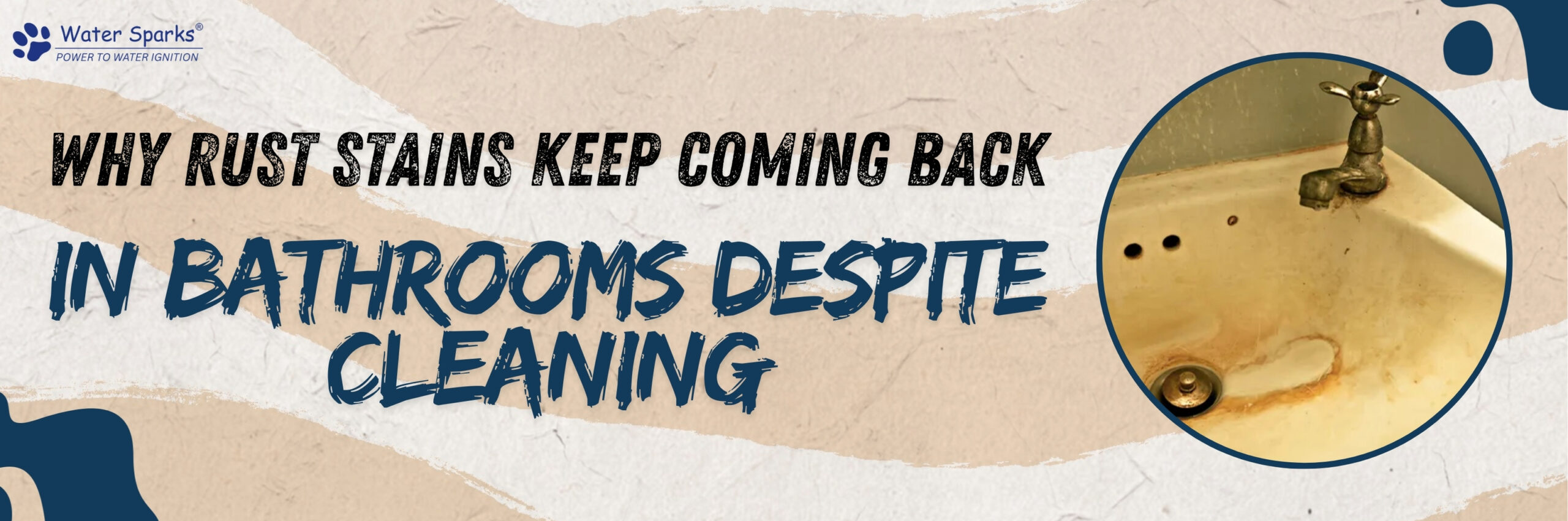
Why Rust Stains Keep Coming Back in Bathrooms Despite Cleaning
Bathrooms are supposed to be clean and comfortable places, but if rust stains are present, they can make them appear dirty rather than clean and hygienic. A typical problem homeowners face is rust marks that keep coming back despite heavy scrubbing. The root cause is often excess iron in the water, which causes iron residue to settle on bathroom surfaces. Merely cleaning your tiles, taps, and showerheads cannot permanently resolve the problem. Understanding why these rust marks appear and how to prevent them is essential for every home.
These rust marks not only affect the appearance of your bathroom but can also damage fixtures and grout over time. As iron residue accumulates, the stains become more stubborn and difficult to remove, creating a cycle of repeated cleaning that rarely solves the problem. By identifying the source of excess iron in water and taking preventive measures, homeowners can protect their bathrooms from these persistent stains and maintain a clean, hygienic environment for years to come.
Understanding Rust Stains in Bathrooms
A common occurrence of rust in bathrooms is orange-brown staining found on tiles, sinks, faucets, and shower fittings. Such rusting is a consequence of iron present in water, which gets oxidized when it encounters air. Even when it looks like a bathroom has been cleaned thoroughly by heavy scrubbing, rust marks do find their way to reappear since their cause, which is iron contamination in your water supply, has not been addressed. Over time, this iron residue can accumulate, worsening the rust marks and making them harder to remove. [1]
The persistence of these rust marks can be frustrating for homeowners, as repeated cleaning efforts seem ineffective and time-consuming. Without understanding the underlying cause, it becomes a cycle of scrubbing and temporary removal, leaving surfaces looking dull and unattractive. Recognizing that these stains are a result of iron residue rather than mere dirt is the first step toward finding a long-term solution that keeps bathroom surfaces clean and visually appealing.
How Iron Contamination Leads to Persistent Stains
The leading cause of persistent rust stains is iron contamination in the water. Any time excess iron has been felt in water, it easily oxidizes when it comes into contact with oxygen to form a reddish-brown iron deposit. When such water is used in your bathroom, iron residue tends to stick to other surfaces, leading to rust marks that can’t be cleaned with mere cleaning. Whichever source your water comes from, iron can cause persistent staining.
These iron deposits accumulate over time, gradually intensifying the appearance of rust marks on bathroom surfaces. Even with frequent cleaning, the stains continue to reappear because the source of the problem, iron in the water, remains unaddressed. This ongoing cycle of staining and cleaning can be frustrating, as it not only affects the visual appeal of your bathroom but also demands constant maintenance and effort.
The Role of Iron Deposits in Bathroom Surfaces
Iron deposits are microscopic particles of iron that settle on bathroom surfaces. Once these iron residues are present, they react with water and oxygen to form rust marks. Over time, this iron residue hardens, making it very difficult to remove rust marks with standard cleaning methods. Understanding the role these iron residues play helps in understanding why standard removal methods may not work and why a long-term solution is required.
As these iron residues accumulate, they not only make rust marks more visible but also increase the effort and time required to remove them. The longer the deposits remain on surfaces, the more embedded they become, often leaving behind stubborn marks that resist scrubbing and cleaning. Recognizing the persistent nature of these iron residues emphasises the importance of addressing the underlying issue rather than relying solely on temporary cleaning solutions.
Why Regular Cleaning Fails Against Rust Stains
Additionally, cleaning will not remove iron-stain deposits resulting from rust, since iron is dissolved in the water. Moreover, despite using strong chemical cleaning methods, the iron-stain deposits will not prevent rusting. The problem is compounded if the water comes from a brown water from overhead tank, which is rich in iron and other minerals. Without addressing the source of excess iron in water, cleaning will only provide short-term relief from rust marks. [2]
Over time, the repeated appearance of rust marks can become a persistent frustration for homeowners, as each cleaning attempt seems to have little lasting effect. Continuous exposure to water containing iron leads to the formation of new deposits, making bathroom surfaces prone to ongoing staining. This cycle highlights the need to identify and mitigate the source of iron contamination rather than relying solely on surface cleaning.
Brown Water from Overhead Tank: A Hidden Culprit
Many homeowners are unaware that brown water from an overhead tank is a major contributor to bathroom rust marks. This brown water from overhead tank contains high levels of iron deposits and other minerals that oxidize on bathroom surfaces. When this brown water from an overhead tank runs through taps and showers, streaks of rust remain, which do not go away easily. Fixing the brown water problem originating from the overhead tank is essential to avoid further contamination with iron and the return of rust streaks.
If left unaddressed, the continuous use of brown water from overhead tank can lead to an accumulation of iron residue on bathroom surfaces over time. These deposits not only make rust marks more persistent but also make cleaning more difficult, as they become more complex and more ingrained. Recognizing the impact of brown water from overhead tanks is crucial for homeowners to implement effective measures that prevent recurring rust marks and maintain the cleanliness of their bathrooms.
Health and Plumbing Risks of Iron-Contaminated Water
Iron contamination in water leads to rust marks and affects plumbing and health. Excess iron deposits in water can cause corrosion in pipes, reduce flow, and affect bathroom fittings. More importantly, iron-contaminated water is not suitable for consumption due to its taste and smell. Drinking excess brown water from an overhead tank can increase the risk of iron residue, which can cause rusting in fittings. [3]
Over time, these effects can result in frequent maintenance issues and unexpected repair costs within the household. Continuous exposure to iron-contaminated water may shorten the lifespan of plumbing systems and fixtures, making replacements necessary sooner than expected. Addressing the presence of iron in water early can help minimize these risks and support a safer, more reliable water supply throughout the home.
Whole House Iron Removal Plant: A Permanent Solution
A Whole house iron removal plant is the most efficient way to remove iron contamination and future rust stain appearances. A Whole house iron removal plant treats all the water entering a house and removes iron deposits before they can reach bathroom faucets/showers,/fixtures. Installing a Whole house iron removal plant ensures that brown water from the overhead tank is treated, preventing new rust marks and safeguarding your plumbing. For homes struggling with excess iron in water and rust marks, a Whole house iron removal plant provides a permanent solution.
By treating water at the point where it enters the home, the Whole house iron removal plant helps maintain consistent water quality across all outlets. This approach reduces the repeated formation of rust marks and minimizes the need for frequent cleaning and maintenance. Over time, homeowners can experience improved water clarity and better protection for household fixtures, making daily water usage more reliable and hassle-free.
Tips to Prevent Rust Stains Before They Start
Iron contamination at its source is the starting point for preventing rust stains. Regular monitoring of your water, both brown water from overhead tanks and iron deposits, can be followed up by the installation of a Whole house iron removal plant. Such a plant removes excess iron in water from all the water used in your home, ensuring that the rust-causing minerals never reach your bathroom surfaces. Besides this, corrosion-resistant taps and fittings go a long way in minimizing the effect of iron residue, and cleaning the bathroom surfaces regularly with mild acid-based cleaners specifically designed to clean up rust marks takes care of any marks that may appear. Periodic flushing of overhead tanks reduces the accumulation of iron residue, keeping new rust marks from forming. By following these steps, you can maintain a clean, stain-free bathroom even if your water contains excess iron or appears as brown water from overhead tank. [4]
Consistent attention to these practices helps reduce the recurrence of staining and limits the effort required for daily maintenance. When preventive measures are followed over time, bathroom surfaces retain their appearance longer, and the cycle of repeated cleaning becomes much less frequent. This approach offers a more manageable, lasting way to address rust-related issues in bathrooms.