
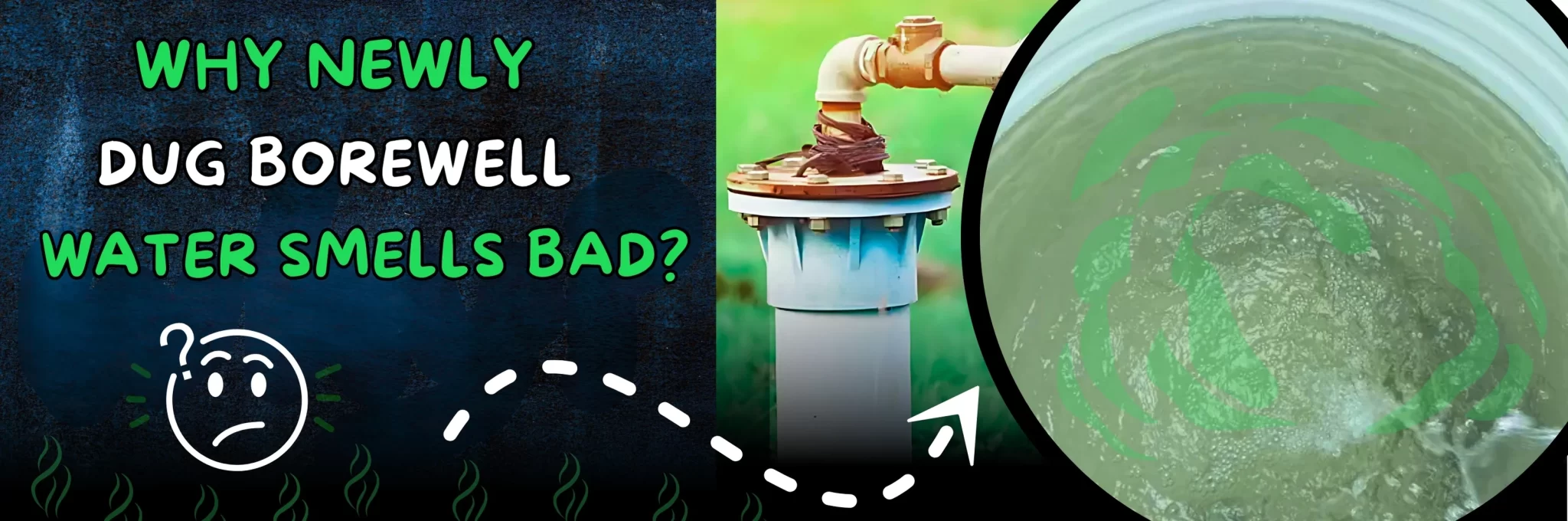
Bad Odor in Water from Newly Dug Borewell
A newly dug borewell often feels like a great solution for consistent water supply—offering the promise of independence from municipal water issues and a steady source year-round—until you face the unexpected challenge of bad odor in water. For many homeowners, the excitement of having a fresh water source quickly turns into concern when they experience a smelly water problem right after a borewell is installed. This odor in drinking water can be caused by natural minerals present in the underground layers, certain types of bacteria thriving in the water source, or stagnant water that has been trapped deep below the surface for a long time before the borewell was dug.
Why Does Borewell Water Smell Bad After Digging?
One of the most common complaints from households is a bad odor in water immediately after borewell installation, and it often catches people by surprise. This unpleasant situation arises because the process of drilling and creating the borewell disturbs underground layers that have been stable for decades or even centuries. When these layers are disrupted, they release trapped gases and organic matter into the water flow, leading to a smelly water problem that can be noticed right from the very first use. In many cases, the odor in drinking water is linked to the presence of hydrogen sulfide gas, a naturally occurring compound that produces a distinctive rotten egg smell and can be detected even in small amounts. Additionally, the growth of iron bacteria in the borewell can intensify the bad smell in borewell water, while also causing visible discoloration, stains, and deposits in plumbing fixtures and household appliances over time.
Common Causes of Bad Odor in Borewell Water
The unpleasant smell in water from a borewell may arise from various sources, each of which has its own underlying causes and consequences. Most often, it results from decomposing organic matter that has remained in the ground for long times, gradually disintegrating and releasing gases into water. Mineral deposits in the rock layers also can contribute, particularly when dissolved and they change the natural water composition. Microbial contamination, in which naturally occurring bacteria grow in the borewell and secrete compounds that influence both odor and taste, is another potential cause. A foul-smelling water issue can also arise if the borewell has been drilled in a soil with high sulfur content since sulfur compounds have been well known to cause very strong and foul odors. If not treated, the stench of drinking water can not just be unpleasant to drink but also unsafe for routine household use, leading to possible health issues over time. [1]
How Mineral Deposits Cause Bad Smell in Borewell Water
Mineral deposits in water sources beneath the earth can be a major contributor to odor in water. Some layers of the geology have sulfur in them, and when water passes through them, it is able to dissolve the sulfur compounds such as hydrogen sulfide, which smells like rotten fish. Likewise, naturally occurring iron and manganese can dissolve in the water, and when these minerals come into contact with oxygen or bacteria, they could produce a metallic, earthy, or musty smell. In extreme circumstances, iron bacteria are known to thrive under these conditions, consuming the dissolved minerals and producing gases that maximize the bad smell. Chemical reactions among minerals, organic material, and microorganisms over time can also exacerbate odor issues. If the water is left stagnant in contact with these mineral deposits for extended periods, as in a non-used borewell, it can pick up even more odor-causing substances and the smell will be considerably more pronounced when drawn for the first time.
Health Risks of Smelly Borewell Water
Disregarding stinky water is not simply a matter of taste and odor—it can have more critical repercussions that transcend fundamental inconvenience. Stinky smell is usually a visible sign of greater water quality problems that must not be taken lightly. A stinky water issue could signify the occurrence of poisonous bacteria or other microorganisms that are known to propagate within the source of water. When such pollutants exist, the consequences are not just a foul drinking experience; they can also affect general health. Drinking odorous water in drinking water for a long period of time may lead to stomach upset, gastrointestinal upsets, or other diseases and, in certain instances, exacerbate current ailments, particularly among children, the older people, or those with compromised immune systems. [2]
Testing Borewell Water for Odor Problems
The key to solving bad odor in water is proper testing, because guessing the problem may result in ineffective or short-term solutions. Proper investigation of the water is needed in order to identify the precise problem and select the most appropriate solution. Water quality problem might involve both chemical and microbial testing, because the odor may be caused by dissolved minerals, gases, or microbials. These tests are normally conducted by expert laboratories or water treatment specialists who are able to determine the exact make-up of the water. Testing will determine the source of the smell in drinking water, whether it is hydrogen sulfide, iron bacteria, or other impurities that are compromising its safety and flavor. After confirming the source, you can treat the foul odor in borewell water with the appropriate odor removal treatment and purification process so that the issue is eliminated effectively and does not recur. [3]
Odor Removal Treatment Options
When presented with odorous water, there are a number of solutions to choose from, and the proper solution depends on both the cause and severity of the odor. For smelly water due to bacteria, shock chlorination can be an effective solution by sanitizing the entire water system and killing microbial growth. This method, if properly implemented, can bring immediate relief, though follow-up is usually needed in order to avoid future incidents. Activated carbon filters are also great for removing odor in drinking water since they absorb and capture odor-causing substances while enhancing the taste. In very light odor conditions, ozone and activated carbon filters combined can also be very effective, giving a straightforward yet trustworthy solution. In other instances with a more robust or persistent odor, an ozonation system is advisable since it oxidizes and eliminates odor-causing substances at their origin. In extreme instances of foul odor in borewell water, sophisticated systems such as aeration, oxidation, and specific filters might be needed in order to attack persistent contaminants such as hydrogen sulfide or iron bacteria. A professional odor elimination treatment and maintenance program guarantees long-term results, providing you with a steady supply of fresh, clean water while lowering the risk of the issue recurring in the future.
When to Call a Water Treatment Expert
Sometimes the bad odor in water is too stubborn for DIY fixes, especially when the smelly water problem is linked to deeper issues within the borewell or underground water source. Even after multiple cleaning attempts or temporary solutions, the unpleasant odor may persist, making it clear that more advanced intervention is required. If your smelly water problem continues after basic cleaning, it’s time for professional help from trained water treatment specialists who have the right tools and expertise. Experts can identify the root cause of odor in drinking water through detailed testing and inspection, then recommend and install the right purification system tailored to the specific issue. This ensures the bad smell in borewell water is permanently resolved with a odor removal treatment and maintenance routine, giving you a long-term solution instead of short-lived fixes and restoring your confidence in the quality of your water supply. [4]
A Complete Approach to Borewell Water Odor Solutions
A bad odor in water from a newly dug borewell is common but treatable, and understanding this can help homeowners take quick, confident action. Identifying and addressing a smelly water problem early is important because it prevents long-term issues such as persistent contamination, damage to plumbing fixtures, and unpleasant taste or smell that can affect daily use. The right approach to odor in drinking water includes thorough testing to determine the exact cause, followed by the selection of appropriate filtration systems and preventive care measures that keep the water source clean over time. Whether it’s a mild or strong bad smell in borewell water, a targeted odor removal treatment and purification plan can restore safe, fresh water for your home, ensuring that the problem is resolved at its source and giving you peace of mind about the quality of the water you and your family consume every day.