
Can a Yellow Water Filter Fix Iron Problems in Overhead Tanks in Chennai Homes?
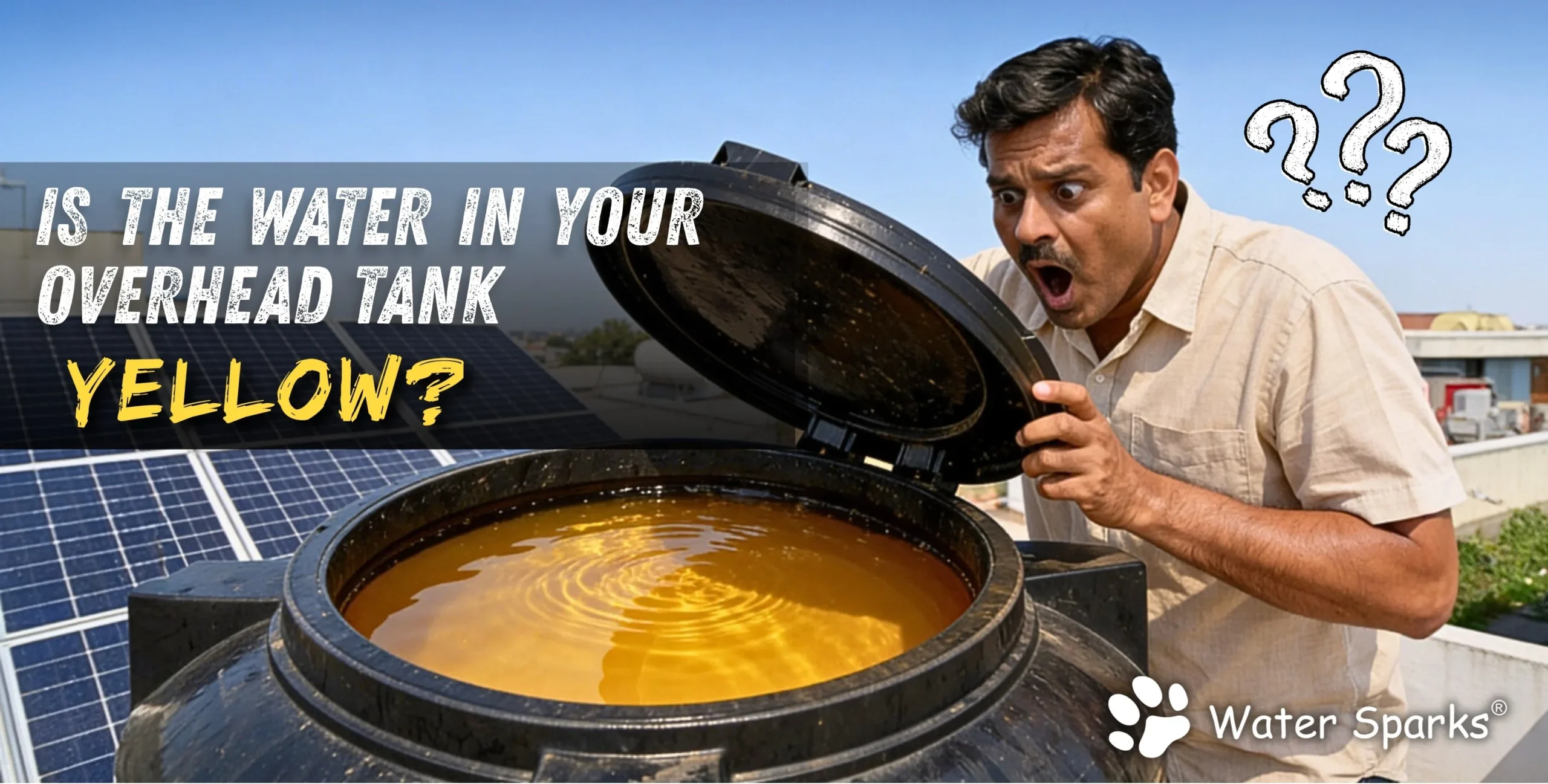
Have you noticed your tap water looking pale yellow, like weak tea in a glass? That discolouration is often a warning sign. In many Chennai homes, the yellow water problem in overhead tanks is caused by iron and rust contamination.
What starts as a slight tint can quickly escalate into yellow water stains on tiles, damaged pipes, and metallic-smelling water. Just like rust spreads silently on iron gates during monsoon, iron in water quietly affects your plumbing system every single day.
That’s where a professional overhead tank Yellow Water Filter in Chennai becomes essential, not just for clear water, but for protecting your home’s infrastructure.
Why Iron & Rust Problems Are Common in Chennai Overhead Tanks
In many parts of Chennai, iron contamination in water is more common than people realize. Because the city depends heavily on groundwater, iron naturally dissolves from the surrounding soil and rock into the water supply. This issue is further intensified by high groundwater extraction, coastal salinity intrusion, ageing pipelines and storage tanks, and irregular overhead tank cleaning.
As a result, water that initially appears clear can oxidize after storage, gradually turning yellow, similar to how a cut apple browns when exposed to air. Over time, iron particles and sediment settle to the bottom of the tank, forming a rust layer that continues to contaminate incoming fresh water. Without proper filtration and maintenance, this cycle repeats, affecting water quality throughout the household. [1]
Common Water Sources Used in Chennai Homes
Understanding your water source is the first step in choosing the right overhead tank Yellow Water Filter solution. In many areas, borewell water is the primary source of iron contamination.
Borewell Water:
In localities like Thiruverkadu, Porur, Iyyappanthangal, Tambaram, Perungalathur, Avadi, and Pallikaranai, groundwater is drawn directly from borewells. As this water passes through iron-rich soil and rock layers, dissolved iron naturally enters it. While the water may appear clear when pumped, exposure to air during storage in overhead tanks causes the iron to oxidize, turning the water yellow or brown. This makes borewell water the main contributor to the yellowing and discolouration seen in overhead tanks.
Why Clear Borewell Water Turns Yellow in Your Overhead Tank
Many people question why clear borewell water turns yellow in their overhead tank. The answer is clear. Although borewell water is the primary source, it often appears clear when pumped. This is because dissolved iron in the water reacts slowly with oxygen. Once stored in the overhead tank, the water sits exposed to oxygen, allowing the iron to oxidize gradually, turning the water yellow or brown over time.
As this process continues, iron particles eventually settle at the bottom of the tank, forming sludge. This not only discolors your water but can also clog pipes, taps, and valves, leading to reduced flow and frequent maintenance issues. Essentially, the overhead tank acts as the “reactor” where the hidden iron in borewell water finally shows its effect.

What Are the Factors That Cause Iron in Overhead Tank Water?
Many homeowners assume that overhead tank water should look exactly like borewell water. When they see brown or reddish water in the tank, they often ask, “Why is my borewell clear, but the tank is brown?” The reality is that the overhead tank is not magically creating iron; it’s simply storing water that has already picked up iron from the borewell and the distribution system. The main source of iron is usually the borewell itself, along with other factors that cause iron to accumulate over time. [2]
Iron in water doesn’t appear overnight. It builds up gradually due to multiple factors:
- Natural iron deposits in Chennai soil: Groundwater passing through iron-rich soil and rock naturally dissolves iron, which enters the water supply.
- Groundwater depletion leading to deeper iron-rich layers: Excessive borewell use draws water from deeper aquifers, which often contain higher concentrations of dissolved iron.
- Corroded borewell casing pipes: Rusting metal casing pipes inside borewells release additional iron particles into the water.
- Rusting overhead tanks (especially metal tanks): Corrosion inside metal storage tanks flakes off rust that mixes directly with stored water.
- Lack of filtration before storage: Without proper filtration, iron particles and sediment settle in the tanks, repeatedly contaminating the incoming water.
When iron-rich water sits inside a tank, oxygen reacts with it. This reaction forms ferric iron particles, the same reddish-brown substance you see on old metal railings. Without proper Whole House iron removal treatment, this cycle continues daily.
How Yellow Water Affects Chennai Homes, Plumbing & Structures
The yellow water problem is not just a cosmetic inconvenience; it is a silent intruder that slowly weakens your home, much like termites hollowing out wood from within. What starts as a faint yellow tint soon leaves stubborn yellow water stains on tiles, sinks, washbasins, and WC surfaces, while a metallic odour lingers in the air like the scent of rust after rain. Beneath the surface, the damage quietly spreads through plumbing lines, where iron accelerates pipe corrosion, reduces water pressure, and clogs showerheads, as if arteries are gradually narrowing.
When iron levels in water increase, damage is not limited to colour changes. It slowly begins to affect appliances, plumbing systems, and overall household maintenance.
- Washing Machines: Yellow stains on clothes, dull fabrics, and clogged inlet valves over time.
- Geysers: Iron forms thick sediment at the bottom of the tank, reducing heating efficiency and increasing electricity consumption.
- Washing Machines: Yellow stains on clothes, dull fabrics, and clogged inlet valves over time.
- Geysers: Iron forms thick sediment at the bottom of the tank, reducing heating efficiency and increasing electricity consumption.
- Dishwashers: Scaling and iron deposits can leave spots on utensils and glassware while reducing cleaning performance.
- Plumbing & Internal Parts: Iron-rich water can rust internal components, damage rubber washers and seals, and block spray nozzles.
- Bathroom Fittings: It can cause metallic odours, yellow water stains on tiles and taps, and reduce water pressure due to pipe buildup.
- Pumps & Pipelines: Continuous exposure shortens the lifespan of pumps and pipes due to corrosion and deposits.
- Maintenance Costs: What starts as a simple colour issue can quickly escalate into frequent repairs, part replacements, and higher expenses.
Key Water Quality Parameters to Test for Overhead Tank Yellow Water Filter
Before choosing a solution, testing the water is crucial. Think of it like a blood test for your home’s water system. Important parameters include:
- Iron (Fe): ≤ 0.3 mg/L (ppm)
This is the primary parameter to measure. When iron exceeds 0.3 mg/L, it can cause yellow water problems or brown discoloration, metallic odor, staining, and pipe deposits, especially after oxidation. Iron bacteria, which thrive in iron-rich water, can form slimy layers in tanks and pipelines, worsening clogging, odor, and staining.
- pH Level: 6.5 – 8.5
pH directly affects how iron behaves in water. Acidic water (low pH) increases iron dissolution from pipes and bore sources, while higher pH influences oxidation and precipitation, affecting iron bacteria growth.
- Turbidity: ≤ 1 NTU (acceptable)
Elevated turbidity may indicate oxidized iron particles suspended in water. When iron precipitates from solution, it increases cloudiness, providing a medium for iron bacteria to thrive.
- Manganese (Mn): ≤ 0.1 mg/L
Manganese often occurs alongside iron in groundwater sources. At higher concentrations, it contributes to staining, complicates iron removal, and can also support bacterial growth.
Even if water looks clear today, lab results may reveal hidden contamination. Proper testing ensures the overhead tank Yellow Water Filter in Chennai is designed correctly, not guesswork, but science-based filtration that tackles both iron and iron bacteria effectively.

When Should Chennai Homes Test Borewell or Tank Water?
You should test water when:
- Water changes colour after storage
- There is a metallic smell
- Clothes get yellow stains after washing
- Plumbing repairs are frequent
- You shift to a new borewell source
- Before installing any filtration system
- yellow water stains on tiles
Annual water testing is recommended, especially for borewell users in Chennai, because groundwater depletion is becoming a serious concern. Groundwater depletion occurs when water is extracted from the earth faster than it can naturally recharge through rainfall. In cities like Chennai, excessive borewell use, rapid urban development, and inconsistent monsoons have caused water tables to drop by up to 10 meters each year. [3]
As borewells draw water from deeper geological layers, the water often contains higher concentrations of dissolved minerals, such as iron and other heavy metals, which can cause water quality to change suddenly, even if it was previously safe. As a result, the mineral composition of borewell water is unstable and can worsen over time, making annual testing essential to detect rising iron levels before they cause yellow staining, metallic odour, sediment buildup, or recurring plumbing issues.
If these signs appear, it is a strong indication that the water contains excess iron, and the appropriate solution is a Whole House Iron Removal Plant to treat the problem at the source and protect the entire home.
Expert overhead tank Yellow Water Filter Solutions for Borewell Water – Water Sparks®
At Water Sparks®, we design customized solutions for the Yellow Water Problem in Chennai, delivering advanced Whole House Iron Removal Plant systems integrated with high-performance Borewell water iron filter technology.
Many people depend on iron stain removers, assuming they fix the issue. In reality, they are temporary solutions that only mask symptoms and increase your daily cleaning routine. Brown stains persist because the iron in the borewell water is never treated.
Instead of masking the problem, we focus on complete root-cause correction through:
- Iron oxidation and filtration systems
- Multi-stage sediment removal
- Pressure sand filtration
- Automatic backwash systems
- Customized Borewell water iron filter units
To ensure both clarity and hygiene, Water Sparks® also installs a precision chlorine dosing system alongside the iron-removal plant. Controlled chlorine dosing eliminates iron bacteria and harmful microorganisms commonly found in borewell water. This prevents slime formation, foul odors, bacterial growth, and pipe clogging, keeping your plumbing system protected and maintenance minimal.
Our Whole House Iron Removal Plant, combined with Borewell water iron filter technology and chlorine dosing, acts as a protective shield. It prevents iron and iron bacteria from reaching your overhead tank. Clear water is not just about appearance; it safeguards your plumbing, improves hygiene, and ensures long-term system performance.
For homes, apartments, hotels, hospitals, and industries in Chennai, Water Sparks® provides:
- Centralized Overhead Tank Filtration Systems
- Whole House Iron Removal Plants
- Whole House RO Plants
- Commercial & Industrial Water Treatment Systems
We don’t believe in one-size-fits-all filters. Every building has a different water source, and every water source requires a tailored treatment approach. If your overhead tank water appears yellow, don’t ignore it. Safe, clear water begins with the right diagnosis and the right treatment system.

Expert Whole House Water Treatment Solutions – Water Sparks®
Struggling with yellow water, iron stains, or poor water quality in your overhead tank? Don’t wait for the problem to worsen. Take action today.
- Call Water Sparks® – +91 98843 66644, 98842 57744 for a customized Centralized Overhead Tank Filtration System
- Speak to our experts about installing a Whole House Yellow Water Filter
- Upgrade your home with a professionally designed Whole House Iron Removal System
- Get in touch for Commercial & Industrial Water Treatment Solutions
Every water source is different, and your solution should be too. Contact Water Sparks® today and get the right diagnosis, the right system, and long-term clean, safe water.
Frequently Asked Questions
Why is my borewell water clear but turns yellow after storage?
Borewell water often contains dissolved iron that is invisible when freshly pumped. Once stored in your overhead tank, the iron reacts with oxygen and oxidizes, turning the water yellow or brown over time. The tank serves as a reaction chamber, where hidden iron becomes visible as discolouration.
What causes iron in overhead tank water in homes?
Iron in overhead tank water typically originates from iron-rich borewell sources, corroded borewell casing, and rusting metal tanks. When this iron-rich water is stored, oxidation occurs, forming reddish-brown particles that settle as sludge and cause yellow discolouration.
Is yellow water from the overhead tank harmful?
Yellow water is usually caused by excess iron and rust. While low iron levels are not highly toxic, prolonged use can stain clothes, damage plumbing, clog fixtures, and promote the growth of iron bacteria. If iron levels are high, they can affect taste, hygiene, and overall water quality; therefore, testing and proper treatment are recommended.
How do I fix yellow water in my overhead tank ?
Start with water testing to confirm iron levels, then clean the overhead tank to remove existing sludge and rust deposits. Install a Whole House Iron Removal Plant with proper filtration and, if needed, a chlorine dosing system to eliminate iron bacteria and prevent recurrence.