
Overhead Tank Sediment Remover System For Commercial & Industrial



Get the best results of your water today !
Say goodbye to muddy, rusty, or black silt water with our custom Sediment Water Filtration System designed for overhead tanks. Contact us today for a free water consultation or a personalized quote. Our experts will help you achieve cleaner, safer, and healthier water for Commercial & Industrial — every single day.
Get a custom solution today
From Stained to Spotless
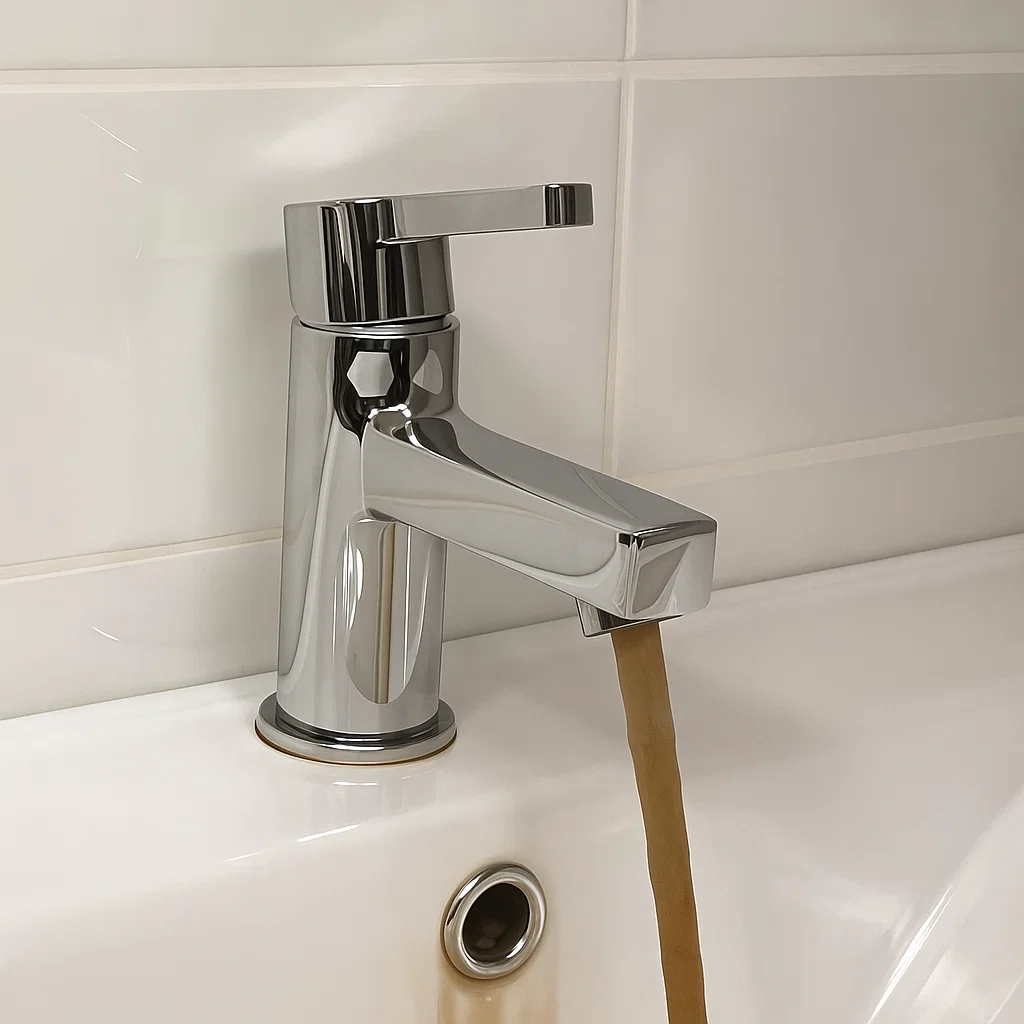

From Stained to Spotless
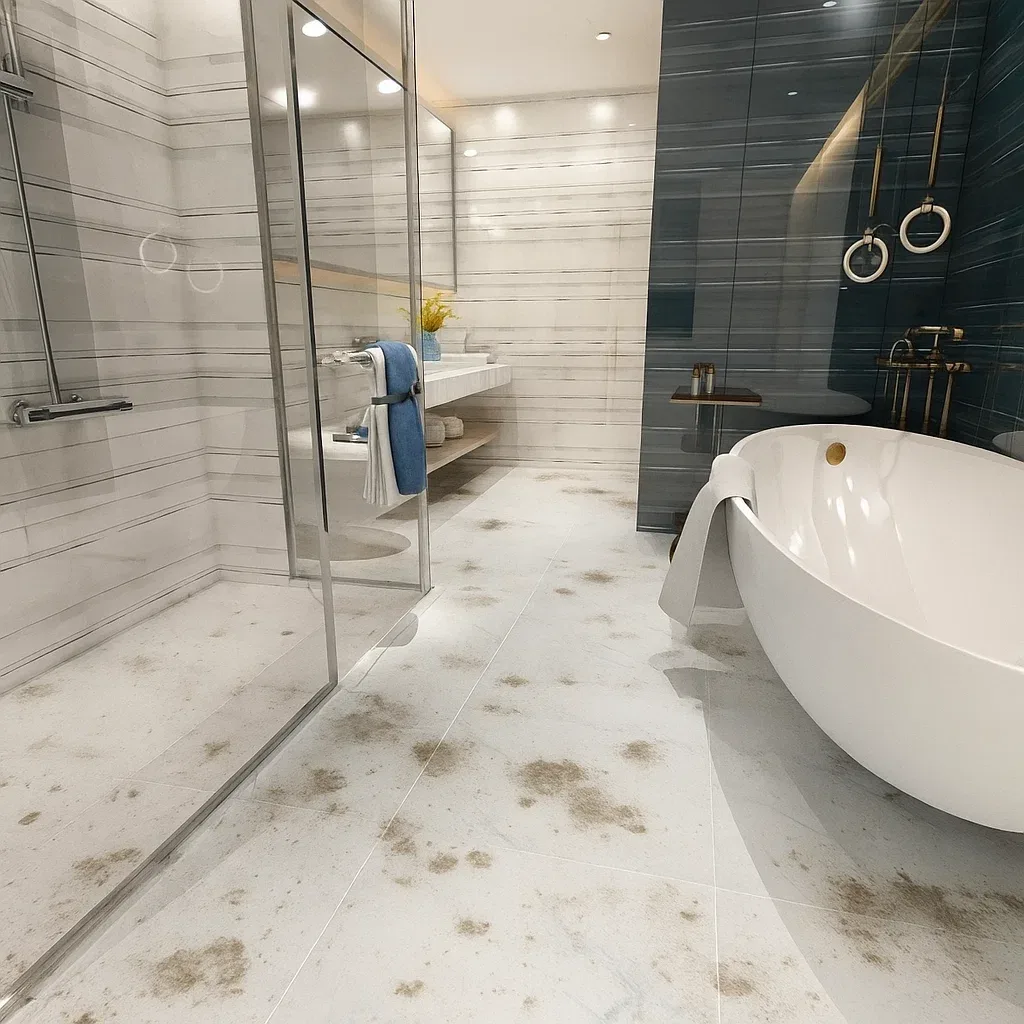

From Stained to Spotless
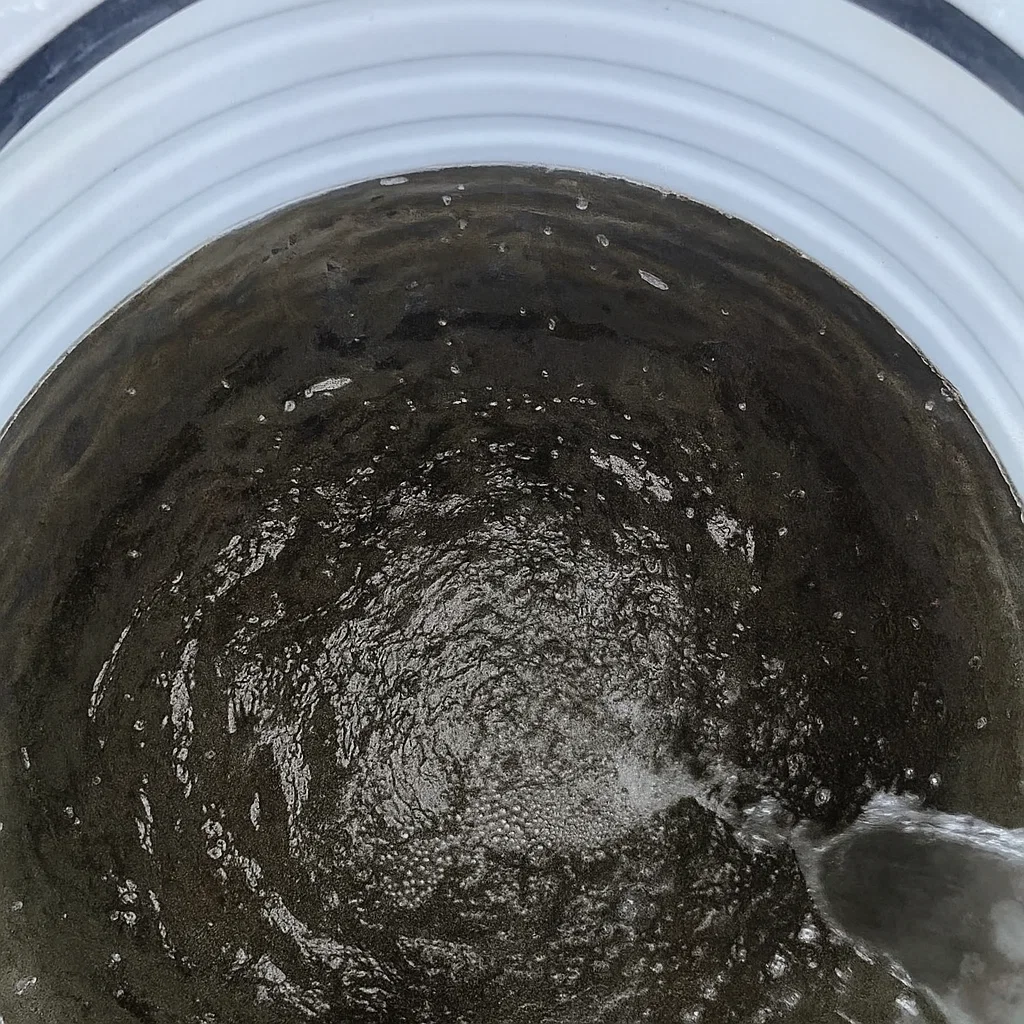

From Stained to Spotless



Features of Overhead Tank Sediment Remover System
High-Quality Filtration Media
Built with High Quality filtration media like dual media filter, and activated carbon filter. our systems efficiently tackle both physical impurities and chemical contaminants found in borewell or municipal water.
Durable and Weather-Resistant Design
Constructed using corrosion-resistant FRP materials, the filtration unit is engineered for outdoor installation near your overhead tank, ensuring long-lasting performance under all weather conditions.
Easy Installation & Compact Design
The system’s compact design allows easy installation on rooftops or near overhead tanks without occupying much space. It’s suitable for independent homes, villas, and apartment complexes.
Automatic or Manual Backwash Options
Choose between automatic self-cleaning filters for convenience or manual backwash systems for cost-effective operation. Both options ensure the filtration media stays clean and performs efficiently.
Low Maintenance Operation
Once installed, the system requires minimal upkeep — periodic cleaning or backwashing keeps it in top condition, saving time and maintenance costs.
High Flow Rate with Consistent Pressure
Designed to handle large volumes of water efficiently, the filtration system ensures steady water pressure across all taps, bathrooms, and appliances without affecting flow.
Compatible with Borewell and Municipal Water
Whether your source is borewell, sump, or municipal water, the system is customized to handle specific impurities, ensuring reliable performance across all water types.
Protects Plumbing and Appliances
By removing sediment and rust particles, the system prevents clogging in pipelines, skin issues,black cloudy water formation in overhead tank water, showerheads, and taps, extending the life of washing machines, geysers, and dishwashers.
Benefits of Overhead Tank Sediment Remover System


Our Water Sparks® Happy Family
GOOD Based on 108 reviews
 Posted on Google
 Radhakrishnan G
Trustindex verifies that the original source of the review is Google.
Got clarity by hearing the technical briefing by you engineerPosted on Google D Vinod RathodWater sparks have provided apt consultation w.r.t to my water problem. Mr Faarish has very patiently explained the pros and cons. His advice has definitely made us make the right choices. Thank you very much.Posted on Google
 WKM AUTOI interacted with the staff member, Mr. Faarish, who provided an excellent response and clear explanation. His service was professional and courteous, and I am really satisfied with the overall experience.Posted on Google
 Tisya NI had been planning to install water tank filters and approached Mr. Faarish for advice. Instead of rushing into the installation, he recommended conducting a proper water quality report first. Based on the results, it turned out that the filters were not necessary for my specific situation. This guidance saved me a significant amount of money. Mr. Faarish was honest, knowledgeable, and genuinely focused on my best interest rather than just making a sale. I truly appreciate his professional support and integrity. It’s rare to find someone so trustworthy in this field — highly recommended!Posted on Google
 thina garanWe were already using a water softener system which involves lot of manual work to operate rotate the Knob to wash it with salt and it requires frequent Softener Resine change every year We had to spend atleast 12k and the reason task is to follow up the person to change the media, so we looked into Water Sparks product while we search online and we had installed their Fully Automatic Water Softener Plant and Fully Automatic Filtration System, where the manual work is no more. Only work is we have to add Rock salt every 7 days or 10 days once, the water is better now. And we are never nearing the water plant to do the cleaning work which is really hassle free for us. Definitely we received a good support and post installation we had doubts to cope up with the system and we got a clear explanation for all our queries. Thanks team for your support and patience will recommend the product to my friends and if anybody reading this review have a call with their Experts to have a consultation.
Checklist to install Overhead Tank Sediment Remover System for Manufacturing
- Assess water quality
- Choose the right Overhead Tank Sediment Remover System
- Find installation location
- Gather necessary equipment
- Install pre-filters
- Connect the Overhead Tank Sediment Remover System
- Install post-filters and storage tank
- Connect the drain line
- Check for leaks and test the system
- Maintenance and servicing


Checklist to install Overhead Tank Sediment Remover System for Drinking Water
- Assess water quality
- Choose the right Overhead Tank Sediment Remover System
- Find installation location
- Gather necessary equipment
- Install pre-filters
- Connect the Overhead Tank Sediment Remover System
- Install post-filters and storage tank
- Connect the drain line
- Check for leaks and test the system
- Maintenance and servicing
FAQ - Overhead Tank Sediment Remover System for Commercial & Industrial Use
Why do commercial and industrial facilities need an overhead tank sediment remover system?
Industrial and commercial buildings rely on large overhead tanks for daily operations. Over time, mud, sand, silt, and rust accumulate at the bottom of these tanks, contaminating water and damaging equipment. An Overhead Tank Sediment Remover System automatically eliminates these impurities, ensuring clean, clear, and sediment-free water for production, cleaning, and facility use.
How does the sediment remover system work?
The system uses multi-stage filtration and sediment flushing technology to remove settled and suspended impurities. It can be installed in-line or directly connected to the overhead tank, continuously cleaning the tank water and preventing buildup without manual cleaning or downtime.
What types of industries can benefit from this system?
This system is ideal for:
- Manufacturing units & factories
- Warehouses & commercial complexes
- Food & beverage processing plants
- Corporate offices, malls, and institutions
- Workshops, laundries, and hotels
Any facility that depends on large storage tanks or borewell water will benefit from consistent sediment-free water.
What are the main impurities removed by the system?
The Water Sparks system removes:
- Mud, sand, and silt
- Iron flakes and rust deposits
- Dust and suspended solids. This ensures cleaner water for equipment, restrooms, and washing purposes.
How does it help protect industrial machinery and plumbing systems?
Sediment-free water reduces scaling, clogging, and corrosion in pipelines, valves, and industrial machinery. This helps extend equipment lifespan, improve efficiency, and lower maintenance and downtime costs.
Can the system handle large water volumes and high pressure?
Yes. Water Sparks offers custom-designed sediment remover systems that handle high flow rates and large storage capacities, making them ideal for industrial and commercial applications with 24/7 water demand.
Is the system automatic or manual?
Both options are available.
- Automatic systems perform self-cleaning and flushing with minimal supervision.
- Manual systems allow operators to perform scheduled backwash or sediment discharge easily.
You can choose based on usage level and maintenance preferences.
Does the system require frequent maintenance?
We offer a 10-year warranty on the media and vessels. Fully automatic plants require no maintenance. For manual systems, our Water Sparks expert team will provide a scheduled maintenance plan. The sediment remover system is designed for low maintenance. Only periodic inspection or media cleaning is required. Water Sparks also provides annual maintenance contracts (AMC) for seamless performance and dependable water quality.
Why choose Water Sparks for commercial and industrial sediment removal?
Water Sparks designs robust, chemical-free, and energy-efficient filtration systems tailored for commercial and industrial use. With strong service support across Chennai, Coimbatore, Bengaluru, and Hyderabad, we deliver proven performance and long-term reliability.
Read More
Commercial and Industrial Overhead Tank Filtration System
A Commercial Overhead Tank Filtration System and an Industrial Overhead Tank Filtration System play a crucial role in keeping large-scale water storage clean, safe, and suitable for everyday use. In commercial spaces, such as hospitals, hotels, restaurants, malls, offices, and educational institutions, the need for safe water is constant. Such filtration systems ensure that manufacturing units, production facilities, warehouses, and processing units receive uninterrupted, clean water. Some of the vital reasons that underscore the importance of a Commercial Overhead Tank Filtration System include sites where water quality is directly linked to public health, equipment durability, and cleanliness standards. Industries rely heavily on an Industrial Overhead Tank Filtration System to minimise downtime, safeguard machinery, and ensure compliance with industry standards.
Commercial buildings often deal with issues like Dirty water in overhead tank, leading to bad odor, discolouration, and frequent plumbing complaints. More complex conditions in industrial spaces include rust in overhead tanks, additional corrosion-related damage, and bacterial contamination. An overhead tank UV and UF filter can amply solve such problems by providing multi-layer protection. Water in both sectors contains impurities ranging from sediments to micro-pollutants. This makes the use of specialized filtration, such as a suspended solids tank filter, a UV filter for overhead tank, and filters designed for microplastic removal from water, essential.
With the growth of cities like Chennai, Coimbatore, Bengaluru, and Hyderabad, the demand for modernization in water storage systems is higher than ever. Inconsistent municipal water supplies prompt many businesses to adopt advanced solutions, such as a Metro water filter, especially in regions where treated water still picks up contaminants through ageing pipelines. Rainwater collection practices have also increased, and systems such as a Rainwater filter or a Rainwater harvesting filter are often connected to a Commercial Overhead Tank Filtration System to ensure the captured water is usable and safe.
Commercial spaces require dedicated sediment control mechanisms, such as a Sediment filtration system for commercial use and a Commercial sediment filtration system, both of which help prevent sediment from entering sensitive equipment. Industries rely on Sediment filtration systems for industrial use and Industrial Sediment removal filters to maintain stable water quality for production-related operations. Larger establishments use Centralized Commercial Overhead Tank Filtration systems, while industries depend on Centralized Industrial Overhead Tank Filtration solutions that can support high-volume operations.
With the deterioration of raw water quality in urban and industrial zones, one cannot rely entirely on storage tanks. There is a dire need for a proper Commercial Overhead Tank Filtration System or an Industrial Overhead Tank Filtration System. This will not only protect water quality but also extend the life of plumbing systems, machinery, and tanks themselves. The addition of a Whole house Sediment removal filter also helps enhance overall water consistency across large buildings, supporting the broader purification process.
In many facilities, combining a Sediment filter for the overhead tank with existing multi-stage filtration greatly improves water clarity and reduces contamination risks. When installed correctly, a Sediment filter for an overhead tank prevents even the smallest particles from settling in the tank, further preventing bacterial growth and scaling. When this is paired with a Whole house Sediment removal filter, the system becomes even more resilient and capable of handling fluctuating water quality.
Businesses in high-usage sectors such as hospitality, education, and manufacturing are increasingly seeing tank filtration systems as essential infrastructure rather than optional add-ons. Similarly, the addition of modern sediment control units, disinfection stages, and tank protection systems greatly improves hygiene and safety, not to mention reducing maintenance costs over the long term. These solutions will become increasingly valuable as cities grow and water quality issues become more complex. The importance of holistic overhead filtration tank solutions will continue to rise as cities grow and water quality challenges become more complex.
Regular monitoring and periodic inspections further enhance the reliability of such filtration systems. Plants that follow a scheduled maintenance regime experience fewer disruptions, ensuring continuous access to clean water. This not only benefits day-to-day operations but also reduces emergency repair costs that often arise from neglected tanks or outdated filtration setups.
Another advantage of adopting such systems is the improved lifespan of building infrastructure. Clean water helps protect pipelines, taps, valves, heating systems, and industrial machinery from scaling, corrosion, and wear and tear. Over time, this results in significant cost savings, making advanced filtration systems a long-term investment that supports both operational efficiency and asset preservation.
Also, commercial and industrial establishments increasingly face stringent regulatory requirements regarding water safety and hygiene standards. Robust filtration systems help these facilities remain in compliance with guidelines while providing a much safer environment for their employees, customers, and residents. With growing awareness of water quality, filtration is receiving greater attention from businesses, which are consequently viewed as more trustworthy and reliable in their field.
In addition, the introduction of sophisticated tank filtration systems promotes more reliable planning of activities in the main facilities. With the quality of water stored in a predictable and standardized manner, businesses can operate their day-to-day operations without being concerned about disruptions in case of sudden contamination incidents or overall equipment failure. Such reliability becomes even more vital in facilities that rely on continuous water flow to ensure all departments function without unplanned downtime.
Additionally, the availability of an efficient filtration mechanism encourages the judicious use of water in both commercial and industrial settings. Staff members become more aware of water usage patterns, wastage points, and maintenance needs when they work with a streamlined system. This internal awareness gradually builds a culture of responsibility, helping organizations take proactive steps to protect their water infrastructure and reduce unnecessary water-related expenses over time.
With continued demand for safer water storage, most facilities now consider integrating scalable filtration technologies to meet future expansion requirements. Whether this involves adding new floors to a building, increasing occupancy, or expanding production capacity, upgrading these systems can be done without interfering with existing operations. This flexibility ensures that businesses remain prepared for growth while maintaining uncompromised water quality throughout their infrastructure.
How does an Overhead Tank Filtration System work for Commercial and Industrial Use?
A Commercial Overhead Tank Filtration System and an Industrial Overhead Tank Filtration System operate through mechanical filtration, disinfection, and purification. The treatment begins with a Tank filter for suspended solids, designed to capture both visible and invisible particles, including sand, silt, clay, and mineral debris. These are among the most common causes of dirty water in overhead tank problems. Preliminary filtration prevents sludge accumulation at the bottom of tanks, thereby reducing cleaning frequency and improving water clarity.
The next phase typically involves using disinfecting solutions. Here, systems such as UV and UF filters for the overhead tank become crucial. The UF membrane removes fine impurities, whereas the UV chamber neutralizes pathogens. If Bacteria in the water tank are a recurring problem, a common concern in commercial kitchens, hospitals, and industries, then the UV filter for an overhead tank becomes the most effective method to eliminate harmful microorganisms without changing water chemistry.
Some overhead tank systems also include stages suitable for microplastic removal from water, especially in areas dependent on municipal water supplies, where microplastics are unavoidable. Rainwater-based installations utilise a Rainwater filter or Rainwater harvesting filter to screen out leaves, pollen, insects, and other airborne contaminants before the water enters storage. In urban areas with severe pipeline corrosion, a Municipal water filter is often installed to prevent metallic particles from entering the tank.
Industries and commercial buildings require solutions that handle high flow rates. For this, both sectors utilize technologies such as a Sediment filtration system for commercial use, a Commercial sediment filtration system, a Sediment filtration system for industrial use, and an Industrial sediment filtration system to keep the system efficient. Meanwhile, Centralized Commercial Overhead Tank Filtration and Centralized Industrial Overhead Tank Filtration ensure that the entire building or facility receives uniformly filtered water.
A complete Commercial Overhead Tank Filtration System or Industrial Overhead Tank Filtration System works seamlessly and automatically, ensuring that every drop entering the tank is filtered, disinfected, and safe for daily use.
The addition of a Whole house Sediment removal filter makes the performance of these systems even more effective in large, multi-level buildings, where the clarity of water would be noticeable throughout. In addition, installing an overhead tank Sediment filter ensures that very small particulate impurities are captured before they reach the main water distribution network. This added layer of protection greatly improves overall water quality.
In larger commercial and industrial properties, a Sediment filter for the overhead tank helps stabilize the filtration process by stopping early-stage contamination. This is particularly useful in areas with fluctuating water sources, seasonal sediment surges, or aged supply pipelines.
When paired with a Whole house Sediment removal filter, the system provides a more comprehensive purification structure that supports multiple consumption points simultaneously. These additional layers of sediment protection help reduce equipment wear, minimize plumbing issues, and enhance the longevity of water-dependent appliances. Whether applied in manufacturing units, corporate buildings, hospitality facilities, or institutional campuses, the incorporation of these filtration components provides long-term reliability coupled with superior water safety throughout the entire infrastructure.
In addition to primary filtration and disinfection, many facilities have installed automated monitoring systems to track fluctuations in water quality within overhead tanks. These monitoring systems provide early detection of the formation of Dirty water in the overhead tank conditions and allow maintenance teams to take quick action before the contamination spreads into the plumbing network. The automation also ensures that filters, such as the Tank filter for suspended solids and UF membranes, are replaced at the right time, maintaining consistent system performance. This level of monitoring is much more essential in commercial and industrial settings, where continuous water use and minimal downtime are necessary.
Another important aspect of modern filtration practice is ensuring compatibility between multiple filtration technologies installed within the same pipeline. When a Commercial Overhead Tank Filtration System or The Industrial Overhead Tank Filtration System is connected to additional units, such as a Municipal water filter or Rainwater filter. Engineers design the flow path in such a way that efficiency is maintained at all steps. Correct sequencing ensures that the sediments, bacteria, microplastics, and organic impurities are filtered out in the correct order so that no single filtering component of the system is overloaded. This integrated approach improves water quality and reduces operational stress across the entire filtration setup.
Proper preventive maintenance is equally important for the long-term functioning of these systems. Regular inspection of components such as the UV and UF filter for the overhead tank, the Commercial Sediment water filter, and the Industrial Sediment water filter helps identify early signs of clogging or wear. Scheduled servicing ensures that systems like Centralized Commercial Overhead Tank Filtration and Centralized Industrial Overhead Tank Filtration continue to deliver uniform performance throughout the year. When facilities prioritise proactive upkeep, the reliability of the entire water distribution network increases significantly, ensuring uninterrupted access to clean, clear, and safe water at all times.
In many large establishments, these filtration systems also help improve overall water pressure stability. When impurities are removed efficiently at different stages, blockages or mineral buildup in the pipelines are avoided, allowing water to flow smoothly throughout the building. This becomes important in multi-storey structures where there is a high tendency for pressure imbalances to cause operational disruptions and/or reducing the effectiveness of essential utilities. By maintaining a clean internal water network, facilities benefit from consistent, uninterrupted flow across all consumption points. [1]
Another growing practice is integrating these systems with digital water management platforms that track consumption patterns, tank levels, and flow rates. It enables facility managers to use water more efficiently, reduce waste, and identify abnormal spikes that indicate leaks or other contamination events. This digitally assisted monitoring not only strengthens the filtration system’s efficiency but also helps organizations make informed decisions about any future upgrades, expansion needs, or improvements in infrastructure based on real-world data.
Lastly, many institutions are now using filtration systems designed to scale with environmental conditions. For example, seasonal changes in water quality may result from increased sediment in monsoons and increased microbial activity in summer. Systems designed to accommodate changes in contamination levels provide long-term stability and reduce the need for emergency interventions. As commercial and industrial demands continue to evolve, flexible, adaptive filtration systems ensure water safety remains consistent year-round.
Why is an Overhead Tank Filtration System Important for Commercial and Industrial Use?
Commercial and industrial settings heavily rely on a continuous water supply, making the value of a Commercial Overhead Tank Filtration System and an Industrial Overhead Tank Filtration System beyond comparison. If stored water is not properly filtered, it can rapidly degrade in the presence of sediment, bacterial growth, microplastics, and rust.
A major reason for installing these systems is the prevalence of Dirty water in overhead tank conditions. Commercial kitchens, hospitals, and industries can afford to take little risk by using contaminated water for cleaning, food preparation, or machine cooling. The bacterial problems, such as the bacterial growth in water tanks, pose serious health hazards for the employees, visitors, as well as customers. Similarly, the presence of Rust in overhead tank results in reddish-colored water, choked pipelines, and staining of bathroom fixtures related to commercial areas.
The protection against microbes is long-lasting with the UV and UF filter for overhead tank, supported by a UV filter for overhead tank. A Tank filter for suspended solids, on the other hand, removes particles that may cause plumbing fixtures damage or reduce equipment life. Industries benefit greatly from systems capable of removing microplastics from water, especially those involved in food processing, pharmaceuticals, and electronics.
Systems such as Sediment filtration system for commercial use, the Commercial Sediment removal filter, the Industrial Sediment water filter, and the Industrial sediment filtration system guarantee that sediments never reach sensitive instruments. Cities that rely on municipal pipelines benefit from a Municipal water filter, whereas establishments that utilize harvested rainwater require a Rainwater filter or Rainwater harvesting filter.
Advanced setups like Centralized commercial water tank filtration system and Centralized Industrial Overhead Tank Filtration elevate safety levels across entire facilities. This makes the Commercial Overhead Tank Filtration System or Industrial Overhead Tank Filtration System a long-term, cost-effective, and essential investment.
The integration of a whole-house Sediment removal filter further strengthens the system’s efficiency by ensuring that sediment control extends throughout the building, rather than just at individual water points. When combined with a Sediment filter for overhead tank, it guarantees that both incoming water and stored water maintain consistent quality, preventing sediment accumulation at multiple stages.
For larger commercial and industrial facilities, a Sediment filter for overhead tank plays a crucial role in stopping fine particles before they enter the main pipelines or machinery. This step significantly reduces the risk of mechanical wear and contamination. Paired with a whole-house Sediment removal filter, it ensures uniform water safety across all floors and departments.
Ultimately, the use of these advanced sediment control measures improves overall hygiene, reduces maintenance costs, and enhances operational reliability. Businesses and industries investing in a Commercial Overhead Tank Filtration System or an Industrial Overhead Tank Filtration System with integrated Whole-house Sediment removal filter and Sediment filter for overhead tanks achieve a smarter, more sustainable approach to water management.
Water quality monitoring is another important feature of maintaining a reliable system in commercial and industrial settings. Regular inspection helps to ensure that components like the UV and UF filter for overhead tank and various sediment filters function optimally. Automated sensors and periodic manual checks help detect early signs of contamination or filter saturation, preventing issues such as Dirty water in the overhead tank from escalating into major operational problems.
In facilities where water demand fluctuates throughout the day, stabilizing the filtration flow becomes crucial. Systems integrated with a Commercial Overhead Tank Filtration System or an Industrial Overhead Tank Filtration System are often configured to automatically adjust based on usage patterns. This helps ensure continuous protection from sediments, bacteria, microplastics, and rust. With steady performance from the preliminary to the tertiary filtration processes, companies can have confidence in a secure water supply even during peak consumption hours.
The long-term benefits of adapting advanced filtration systems go well beyond the immediate clarification of water. When filters such as the Sediment filtration system for commercial use, Industrial Sediment water filter, and Tank filter for suspended solids operate in harmony, they help protect costly infrastructure and machinery from premature damage. Over time, this leads to lower maintenance expenses, fewer disruptions, and improved overall efficiency across commercial and industrial operations. As water quality challenges increase due to urban development, these systems play an even more critical role in ensuring safety and reliability. [2]
In many commercial and industrial environments, efficiently managed filtration systems also contribute to improved workflow continuity. With the stabilization of filtration stages, various water-dependent processes such as cleaning, cooling, sanitizing, and manufacturing will run without unexpected interruptions. This consistent water quality allows the teams to maintain higher productivity levels with reduced risk of delays from blocked pipelines or sudden contamination incidents. Ultimately, a well-maintained filtration setup supports smoother daily operations across every department.
Another advantage of these systems is their ability to adapt to seasonal changes in water quality. During monsoon months, sediment levels often spike, while summer seasons may bring increased bacterial activity in stored water. With such a well-designed filtration framework, facilities can handle fluctuations without sacrificing safety or performance. This adaptability enables commercial and industrial areas to continue receiving clean, reliable water throughout the year, regardless of external conditions.
Moreover, the value of investing in a comprehensive filtration system increases over time as facilities grow and expand. Since many existing setups can be upgraded to handle increased demand from added floors, machinery, or occupants, this benefit allows businesses to plan for future requirements while protecting their current infrastructure. These systems, while preserving water hygiene standards over time, also strengthen the resilience of the entire water distribution network.
Health Risks Caused by Sediments in Water
Sediments in water pose significant health risks, particularly in commercial and industrial environments that use large volumes of water daily. The presence of clay, silt, dust, rust flakes, and decaying organic matter often leads to Dirty water in overhead tank situations. When left untreated, these sediments can contaminate drinking water, food preparation areas, and machinery.
One of the most common issues arises when a poorly maintained system allows Bacteria in water tank to multiply. Sediments provide an ideal breeding ground for microbes. Hospitals, restaurants, and office spaces cannot afford such risks. Sediments also accelerate tank corrosion, resulting in Rust in overhead tank, which further contributes to poor water quality.
Many sediments contain micro-sized pollutants, making microplastic removal from water a necessity. Commercial installations benefit from devices such as a Tank filter for suspended solids and a UV and UF filter for overhead tank. Systems such as a Commercial Sediment water filter and a Commercial Sediment removal filter are widely used in high-traffic areas. On the other hand, industries rely on an Industrial Sediment water filter and an Industrial Sediment removal filter to protect machinery and maintain production quality.
Urban establishments dealing with pipeline contamination often install a Metro water filter, while those relying on stored rainwater use a Rainwater treatment filter or Rainwater harvesting filter. Larger facilities choose Centralized commercial water tank filtration system or Centralized industrial water tank filtration system to safeguard water quality across all sections of the building. Without a dedicated Commercial Overhead Tank Filtration System or Industrial Overhead Tank Filtration System, sediments can lead to infections, allergies, gastrointestinal disorders, and increased risks of waterborne diseases.
The inclusion of a whole-house Sediment removal filter in commercial and industrial settings ensures consistent sediment management throughout the facility. This comprehensive approach helps maintain water quality consistently across many floors and at numerous points of consumption, reducing maintenance frequency while improving hygiene standards.
Sediment filters in the overhead tanks, alongside the existing filtration stages, prevent the settling of fine particles in storage tanks, reducing bacterial growth and corrosion risks. When combined with a whole-house Sediment removal filter, it provides a robust dual-layer protection that enhances overall system efficiency and longevity.
For large-scale operations, integrating these additional sediment control measures also reduces wear and tear on water-dependent equipment and plumbing infrastructure. Businesses and industries adopting a Commercial Overhead Tank Filtration System or an Industrial Overhead Tank Filtration System with a Whole-house Sediment Removal filter and a Sediment filter for overhead tanks achieve improved operational reliability, lower maintenance costs, and safer water for all users.
Advanced sediment control also helps stabilize water quality through seasonal changes-particularly in regions where water sources might fluctuate between municipal supply, borewell water, and harvested rainwater. Such variations often lead to sudden surges in sediment load, making continuous filtration essential to maintaining safe, clear water throughout the year. With proper installation and maintenance, these systems ensure uninterrupted protection against contaminants during monsoons, summer shortages, or pipeline disturbances.
In facilities that operate around the clock, consistent water quality is crucial for both safety and efficiency. A properly designed filtration system ensures that all components, such as the UV and UF filters for an overhead tank and various sediment filters, work together to prevent unexpected downtime caused by contamination. This is very important in industries where even minor disruptions can lead to production delays or compromised product quality. By maintaining a stable filtration environment, businesses can operate smoothly without frequent interventions.
Over time, the cumulative benefits of robust sediment filtration become even more evident. Cleaner water improves the lifespan of plumbing fixtures, reduces scaling and blockages, and enhances the performance of appliances such as boilers, dishwashers, sterilizers, and cooling systems. Commercial and industrial facilities that invest in comprehensive filtration measures safeguard their infrastructure, protect users, and create a healthier, more efficient working environment.
In many commercial and industrial facilities, efficient sediment management also contributes to smoother day-to-day operations. It keeps equipment running smoothly, pipelines free, and cleaning processes much easier when water keeps coming out clean and clear. This level of dependability means less distraction of workers from main duties by water-related concerns or sudden maintenance needs.
Another advantage to good sediment filtration is increased safety for all the water touchpoints in a facility. Be it for cleaning, processing, heating, or cooling, clean water means that no hidden contaminants will degrade operational standards. This is especially useful in environments that have to maintain very strict hygiene protocols, whereby maintaining water purity directly supports regulatory compliance and reduces overall risk.
Besides, when the filtration system delivers stable performance over time, long-term planning becomes much easier to accomplish. In this way, facilities can budget more precisely, avoid unexpected repair expenses, and ensure predictable maintenance cycles. The overall infrastructure ages more gracefully, and the water distribution network remains dependably deliverable for years, offering financial savings with bettered operational confidence.
How the installation of an Overhead Tank Filtration System for Commercial and Industrial Use Reduces Health Risks
Installing a Commercial Overhead Tank Filtration System or an Industrial Overhead Tank Filtration System drastically reduces health hazards in workplaces, hospitality environments, industrial units, and public establishments. These systems prevent sediment accumulation, remove microbes, and stop rust particles from entering the water supply.
For instance, when sediment enters the tank, it typically results in dirty water in the overhead tank, thereby encouraging bacterial growth. The UV and UF filters for overhead tanks remove harmful microorganisms; a UV filter for an overhead tank ensures continuous disinfection, helping eradicate bacterial issues in water tanks in healthcare and food establishments.For instance, when sediment enters the tank, it typically leads to dirty water in the overhead tank, thereby promoting bacterial growth. The UV and UF filters for overhead tanks remove harmful microorganisms; a UV filter for an overhead tank ensures continuous disinfection, helping eradicate bacterial issues in water tanks in healthcare and food establishments.
Advanced filtration prevents Rust in overhead tank for extending the life of the tank and to ensure clear, clean water. In particulate-heavy environments, a Tank filter for suspended solids prevents sand, silt, or clay from reaching the main supply lines. Many systems provide solutions to eliminate microplastics in water, an emerging concern in metropolitan areas.
Commercial facilities make use of a Commercial Sediment water filter and Commercial Sediment removal filter, while industries depend on an Industrial Sediment water filter and Industrial Sediment removal filter. The municipal water users install a Metro water filter while the rainwater users depend on a Rainwater treatment filter or Rainwater harvesting filter.
Large establishments implement Centralized commercial water tank filtration system or Centralized Industrial Overhead Tank Filtration, guaranteeing safety and uniform quality across all floors, departments, and units. Together, the complete setup of a Commercial Overhead Tank Filtration System or Industrial Overhead Tank Filtration System keeps water safe and hygienic.
The addition of the Whole house Sediment removal filter further strengthens the overall filtration system to ensure that sediment control is extended through the entire building, thus maintaining similar water quality at all the various consumption points, reducing cleaning requirements, and increasing hygiene standards.
Additional filtration stages, such as adding a Sediment filter for the overhead tank to the existing filtration stages, prevent even the smallest particles from passing into the main water supply, thereby reducing the risk of bacterial growth and corrosion in the storage system. When installed with a whole-house Sediment removal filter, it provides dual-layer protection that extends the life and efficiency of the system.
For commercial and industrial facilities handling high volumes of water, these additional sediment controls help minimize equipment wear, decrease maintenance costs, and maintain safe water quality throughout the facility. Integrating a Commercial Overhead Tank Filtration System or Industrial Overhead Tank Filtration System with a Whole-house Sediment removal filter and Sediment filter for overhead tank ensures a reliable, sustainable, and safe water supply for all users.
In environments with continuous water use and high demand, maintaining stable water purity is essential for daily operations. Consistent filtration ensures that all systems depending on clean water—such as boilers, chillers, dishwashers, sterilizers, and production machines—run efficiently without unexpected interruptions. By maintaining clarity and hygiene, these filtration systems support smoother workflows and reduce the possibility of sudden breakdowns caused by contaminated water.
Seasonal water supply changes may introduce unforeseen impurities; this is especially common during monsoons, drought conditions, or sudden disturbances in the municipal lines. Thus, commercial and industrial establishments with a reliable filtration system remain protected throughout the year. The ability of multi-stage systems to handle varied contamination levels helps maintain stable water quality, regardless of external environmental changes or supply inconsistencies.
Over time, the long-term benefits of a structured filtration framework become increasingly noticeable. Cleaner water reduces scaling in pipes, extends plumbing longevity, and reduces the frequency of tank cleaning. In addition to increasing safety and hygiene, these systems also significantly reduce overall maintenance costs, thus helping an enterprise work efficiently and controlling its budgets.
Consistent monitoring of water quality further enhances the performance of these systems by making sure potential issues are identified before they escalate. Routine inspection schedules maintain optimum functioning at the various stages of filtration to prevent unexpected disruption. This proactive approach will enable facility managers to maintain reliable water quality without sudden failures or emergency repairs.
The more the infrastructure ages, the more vital a reliable filtration system becomes. For older buildings with outdated plumbing, continuous purification may be necessary to keep reoccurring contamination problems at bay, and hence maintain safety standards. As long as some kind of effective filtration works behind the scenes, such a building would carry on functioning without complications associated with ageing water pipelines.
Aside from the operational benefits, upgrading to advanced filtration solutions contributes to a better and healthier environment for all employees, visitors, and customers. Clean water boosts overall sanitation, enhances user experience, and builds trust in the hygienic practices of the facility. Companies that invest in water safety enjoy better brand reputation, smoother operations, and long-term reliability across all water-based systems.
Why Water Sparks Is the Best Choice for an Overhead Tank Filtration System in Commercial and Industrial Use in Chennai, Coimbatore, Bangalore, and Hyderabad
Water Sparks has become the most trusted brand for installing a Commercial Overhead Tank Filtration System and an Industrial Overhead Tank Filtration System across major South Indian cities. With advanced engineering and expertise, Water Sparks delivers superior solutions to prevent common issues such as Dirty water in the overhead tank, Rust in overhead tank, and Bacteria in water tank.
Every Water Sparks system comes with optimized components like a UV and UF filter for overhead tank, a UV filter for overhead tank, and a robust suspended solids tank filter. For facilities requiring microplastic removal from water, Water Sparks integrates specialized purification stages. Buildings in metropolitan zones benefit from their Metro water filter, while properties that rely on rainwater depend on their Rainwater treatment filter and Rainwater harvesting filter.
Commercial establishments receive customized setups, such as a Commercial Sediment water filter or Commercial Sediment removal filter, while manufacturing units use an Industrial Sediment water filter or Industrial Sediment removal filter. For large campuses, Water Sparks administers Centralized Commercial Overhead Tank Filtration and Centralised Industrial Water Tank Filtration System.
The reliability, consistency, and performance of Water Sparks make it the preferred choice for a Commercial Overhead Tank Filtration System or Industrial Overhead Tank Filtration System in Chennai, Coimbatore, Bengaluru, and Hyderabad.
Integrating a Whole house Sediment removal filter into the Water Sparks systems ensures comprehensive water safety across all floors and usage points. This additional layer of filtration enhances sediment removal and protects plumbing and appliances from potential wear caused by particulate buildup.
Using a Sediment filter for overhead tank in conjunction with the main filtration system prevents fine debris from entering storage tanks, further reducing bacterial growth and tank corrosion. When combined with a Whole house Sediment removal filter, the system provides dual protection for long-lasting water quality.
For large commercial and industrial properties, these additional sediment management measures reduce maintenance costs, minimize equipment downtime, and maintain high hygiene standards. Water Sparks’ combination of a Commercial Overhead Tank Filtration System or an Industrial Overhead Tank Filtration System with a Whole-house Sediment Removal filter and a Sediment filter for overhead tanks offers a complete, reliable, and sustainable water treatment solution.
Having proper filtration infrastructure has become key to smooth operations amid growing water quality challenges in urban and semi-urban areas. Assured systems ensure that the ebb and flow of water sources do not disrupt daily activities due to sudden contamination or other clarity issues. With a structured filtration approach, even high-usage environments maintain stable and predictable water conditions. [3]
Over time, the value of a well-engineered filtration setup becomes evident through improved efficiency and reduced system strain. Clean, treated water helps appliances run more effectively, minimizes the scaling inside pipelines, and promotes better hygiene throughout the facility. Besides facilitating the general operation of commercial and industrial spaces, these advantages also yield long-term operational cost savings.
Filtration systems are no longer seen merely as an optional upgrade for businesses seeking to enhance safety and provide more consistent water quality; rather, they are now deemed a critical investment. From structured design to dependable performance, long-lasting results help an organization maintain regulatory standards while providing safer water for all end-users. This helps the facilities achieve a return in terms of performance and reliability, thanks to the comprehensive filtration structure.
In addition to operational efficiency, a well-established filtration framework increases the lifetime of water storage facilities. Clean, treated water minimises the risk of internal corrosion and sediment buildup in tanks. All this helps the facility avoid frequent cleaning cycles, unexpected repairs, and premature tank replacements, thereby extending the life of the entire water system.
A consistent filtration setup also contributes to better environmental management within facilities, whether commercial or industrial. By reducing the volume of polluted wastewater and controlling impurities released to drainage, the building minimizes its environmental impact. This leads to cleaner surroundings and supports sustainable practices that many modern organizations now prioritize.
Over the years, facilities with reliable filtration infrastructure have ensured smooth operations, reduced downtime, and fewer disruptions in water-dependent processes. This reliability becomes a crucial advantage for sectors such as hospitality, manufacturing, and healthcare, where access to clean water must be uninterrupted. With a strong purification system in place, businesses can function confidently, knowing their water supply remains safe, clear, and stable at all times.
Water Sparks Overhead Tank Filtration System for Commercial and Industrial Use across Chennai, Coimbatore, Bengaluru, and Hyderabad
Water Sparks offers a full suite of filtration solutions specially designed for commercial and industrial environments. Their Commercial Overhead Tank Filtration System and Industrial Overhead Tank Filtration System ensure that water remains free from sediments, microbes, and chemical pollutants.
The brand integrates technologies capable of handling Dirty water in overhead tank, neutralizing Bacteria in water tank, and preventing Rust in overhead tank damage. A combination of UV and UF filter for overhead tank and a UV filter for overhead tank ensures superior disinfection. Their suspended solids tank filter is highly effective at tackling sand, dust, and silt accumulation. Water Sparks also supports microplastic removal from water, making it a suitable choice for metro-suburbs. Its product line includes Metro water filter, Rainwater filter, and Rainwater storage filter, each suited for different water sources.
Commercial buildings can install a Commercial Sediment water filter or Commercial Sediment removal filter, while industries typically select an Industrial Sediment water filter or an Industrial Sediment removal filter. For large infrastructures, Water Sparks offers Centralized Commercial Overhead Tank Filtration and Centralised Industrial Water Tank Filtration System, ensuring reliable purification across the entire facility.
Water Sparks’ systems are designed to be user-friendly and low-maintenance, allowing commercial and industrial operators to focus on their core activities without worrying about water quality issues. Automatic backwashing and easy filter replacement features simplify routine maintenance and ensure consistent performance over time.
Moreover, Water Sparks provides custom solutions for various industries based on specific needs and demands. Hospitals, food processing units, hotels, and educational facilities can thus adjust their filtration systems to match their peak water demand to ensure a continuous supply of clean, safe water at multiple points.
The last and most important aspect of the brand is its commitment to long-lasting durability and sustainability. Their filtration systems are designed to sustain high volumes and fluctuating water conditions with minimal water wastage. With Water Sparks, facilities not only maintain ideal water quality but achieve energy-efficient and eco-friendly water management.
With the constant evolution in urban water needs, Water Sparks has developed its systems to adapt to diverse environmental and infrastructural conditions. Whether a facility draws water from municipal pipelines, borewells, or harvested rainwater, the filtration units are designed and engineered to perform consistently, even when the incoming supply quality varies. Therefore, this brand is highly reliable for both small- and large-scale operations.
Additionally, the scalability of Water Sparks’ solutions enables seamless upgrades or expansions to the filtration setup for a business as its water consumption increases. A future-ready approach enables organizations to stay ahead of any potential water challenge and minimizes the risk of operational interruptions. Integrating additional stages or increasing capacity enables clients to maintain high water-purity standards without a complete overhaul of the system.
In both commercial and industrial settings, there has been an increasing focus on hygiene and regulatory compliance. To supplement this, Water Sparks installs systems that meet or exceed industrial standards for performance and safety. Robust filtration, a long system life, and proper water quality all contribute to the business obtaining a sound basis for safe operation, enhanced efficiency, and long-term dependability.
In addition, the ease with which these filtration systems can be integrated into both existing and newly constructed facilities enhances their practicality. Companies are not required to replace their plumbing networks or undergo widespread changes to accommodate the units. This flexibility ensures a smooth installation that minimally disrupts operations and is suitable for all varieties of commercial and industrial layouts.
In addition to operational convenience, there are significant long-term cost benefits to maintaining a reliable filtration system. In halting expensive damage from contamination and minimizing the need for constant maintenance interventions, facilities can distinctly cut their operational costs. This, in turn, diminishes the possibilities of equipment failures due to poor water quality over time and boosts productivity while minimizing unexpected downtime.
This further cements the value that these systems provide through continued innovation in water treatment technologies. As such innovations emerge, Water Sparks ensures solutions that remain compatible with modern enhancements, thereby enabling easy upgrades at facilities. This forward-thinking approach supports sustainable growth and ensures organizations remain equipped with reliable, high-performance filtration systems suited for evolving water conditions.
Why Choose Water Sparks' Overhead Tank Filtration System for Commercial and Industrial Use?
When businesses select a Commercial Overhead Tank Filtration System or an Industrial Overhead Tank Filtration System, they need reliability, performance, and long-term durability. Water Sparks fulfils all three criteria. The brand offers failproof technology that resolves issues such as Dirty water in overhead tank, Bacteria in water tank, and Rust in overhead tank. The company implements a combination of advanced filtration tools, including a UV and UF filter for the overhead tank, a UV filter for overhead tank, and a dependable suspended solids tank filter. They also incorporate systems for microplastic removal from water, ensuring modern water safety standards.
Whether the requirement is for a Commercial Sediment water filter, Commercial Sediment removal filter, Sediment filtration system for industrial use, or Industrial Sediment removal filter, Water Sparks offers custom-sized and performance-optimized solutions. Locations with ageing pipelines use a Metro water filter, while rain-dependent businesses receive a Rainwater filter or Rainwater storage filter.
Larger establishments often require Centralized Commercial Overhead Tank Filtration or Centralized Industrial Overhead Tank Filtration, both of which Water Sparks excels at. This makes them a dependable partner for any Commercial Overhead Tank Filtration System or Industrial Overhead Tank Filtration System installation.
Water Sparks also provides exceptional after-sales support, ensuring businesses have access to routine maintenance, troubleshooting, and replacement parts when needed. This proactive service approach minimizes downtime and maintains consistent water quality across facilities.
Moreover, Water Sparks prioritizes scalability. As commercial or industrial operations expand, their filtration systems can be upgraded or customized to meet higher water demand without compromising performance or reliability.
Finally, the company emphasizes sustainability and energy efficiency. Their systems are designed to conserve water, reduce operational costs, and minimize environmental impact, making them an ideal choice for modern commercial and industrial establishments seeking safe and eco-friendly water management solutions.
In addition to reliability and scalability, Water Sparks focuses on user-friendly design. Their systems are easy to operate, with intuitive controls and clear maintenance guidelines. This reduces the learning curve for facility staff and ensures that filtration systems continue to operate at peak efficiency with minimal intervention. Automated alerts and monitoring features further enhance operational efficiency, enabling businesses to respond promptly to deviations in water quality.
Another advantage of Water Sparks’ solutions is the integration of multi-stage filtration. By combining sediment removal, microbial neutralization, and microplastic filtration in one seamless system, commercial and industrial facilities receive consistently safe water for diverse applications. This comprehensive approach not only protects machinery and plumbing but also safeguards human health across workplaces, hospitality environments, and educational institutions.
Over the long term, businesses benefit financially and operationally. The durability and efficiency of Water Sparks’ filtration systems reduce the need for frequent repairs, component replacements, and emergency maintenance. This translates into lower lifecycle costs, predictable budgeting, and a reliable water supply that supports uninterrupted business operations while maintaining high hygiene and safety standards.
Furthermore, the adaptability of Water Sparks’ systems ensures that they can perform effectively even in regions with fluctuating water quality. Whether the incoming supply varies seasonally or is affected by external factors, the systems continue to deliver stable, dependable results. This makes them highly suitable for facilities that experience inconsistent or unpredictable water conditions year-round.
The brand also places a strong emphasis on long-term operational stability. Each system is engineered to withstand continuous usage in demanding commercial and industrial environments. This durability helps organizations maintain compliance with internal water quality standards and regulatory requirements, ensuring that day-to-day functions proceed without interruptions caused by water-related issues.
In addition, Water Sparks consistently invests in improving its filtration technology, ensuring clients benefit from the latest advancements in water treatment. This forward-focused approach helps facilities stay prepared for emerging water contaminants and evolving safety norms. As a result, businesses can operate with confidence, knowing their water supply is supported by reliable, up-to-date filtration systems.
Water Sparks’ Overhead Tank Filtration System for Commercial and Industrial Use – A Smarter Choice
Choosing Water Sparks for your Commercial Overhead Tank Filtration System or Industrial Overhead Tank Filtration System is a decision rooted in safety, reliability, and advanced engineering. Solutions offered by them address issues related to Dirty water in the overhead tank, Bacteria in water tank, and Rust in the overhead tank. With systems like UV and UF filters for overhead tank, UV filter for overhead tank, and Tank filter for suspended solids, Water Sparks ensures clarity, purity, and hygiene.
Their support for microplastic removal from water, the use of Metro water filters, and the inclusion of Rainwater filter or Rainwater harvesting filter sets them apart. For sediment-heavy environments, the brand offers a Commercial Sediment water filter, a Commercial Sediment removal filter, an Sediment filtration system for industrial use, and an Industrial Sediment removal filter. For large complexes needing uniform water quality, Water Sparks implements Centralized Commercial Overhead Tank Filtration and Centralized Industrial Overhead Tank Filtration.
With unmatched expertise and high-quality systems, Water Sparks makes every Commercial Overhead Tank Filtration System and Industrial Overhead Tank Filtration System smarter, safer, and more efficient. Water Sparks also emphasizes easy maintenance and long-term service reliability. Their systems are designed to require minimal intervention, with user-friendly features that allow businesses to maintain optimal water quality without extensive operational disruption.
Additionally, the company provides customised solutions for various sectors, including hospitals, educational institutions, hotels, and manufacturing facilities. This ensures that every installation is optimized for the specific water usage patterns and quality requirements of the facility.
Finally, Water Sparks focuses on sustainability and cost-efficiency. Their filtration systems conserve water, reduce energy consumption, and minimize waste, making them an ideal choice for businesses and industries seeking high-quality, eco-friendly water management solutions.
Water Sparks also places strong emphasis on monitoring and quality assurance. Many of their systems include features that allow real-time tracking of water quality parameters, helping facility managers quickly identify and address any potential issues. This proactive approach ensures the filtration system consistently delivers safe, clean water, preventing disruptions and protecting people and equipment.
The flexibility of Water Sparks’ filtration systems enables seamless integration with existing infrastructure. Whether a facility has complex plumbing networks, multiple water sources, or variable water demand, its solutions can be tailored to fit the specific requirements. This adaptability makes it easier for businesses to upgrade or expand their systems without extensive retrofitting or downtime.
Over time, the long-term benefits of choosing Water Sparks become increasingly apparent. Consistent water quality enhances operational efficiency, reduces maintenance costs, and prolongs the lifespan of plumbing and equipment. By investing in a Commercial Overhead Tank Filtration System or Industrial Overhead Tank Filtration System from Water Sparks, businesses secure a reliable, hygienic, and sustainable water supply for years to come. [4]
Moreover, Water Sparks continues to refine its technology to keep pace with evolving water quality challenges faced by modern facilities. Their commitment to innovation ensures that clients always benefit from up-to-date filtration capabilities, regardless of changes in environmental conditions or water supply variations. This ongoing improvement reflects their dedication to maintaining high standards of performance and dependability.
The company also takes a holistic approach to system design, ensuring that each installation supports both immediate operational needs and long-term infrastructure health. By delivering solutions that protect pipelines, fixtures, and equipment from gradual wear and contamination, Water Sparks helps businesses avoid costly repairs and downtime. This forward-thinking strategy enhances the overall stability of the facility’s water management framework.
In addition, facilities that partner with Water Sparks experience greater predictability and control over their water-related operations. With consistent filtration performance, businesses can plan their daily activities, resource allocation, and maintenance schedules with confidence. This improved operational clarity contributes to smoother workflows, enhanced safety, and an overall more efficient environment for both staff and stakeholders.