
Overhead Tank Filtration System For Hospitals




Get the best results of your water today !
Say goodbye to muddy, rusty, or blak cloudy water with our custom Sediment Water Filtration System designed for overhead tanks. Contact us today for a free water consultation or a personalized quote. Our experts will help you achieve cleaner, safer, and healthier water for hospitals — every single day.
Get a custom solution today
From Stained to Spotless
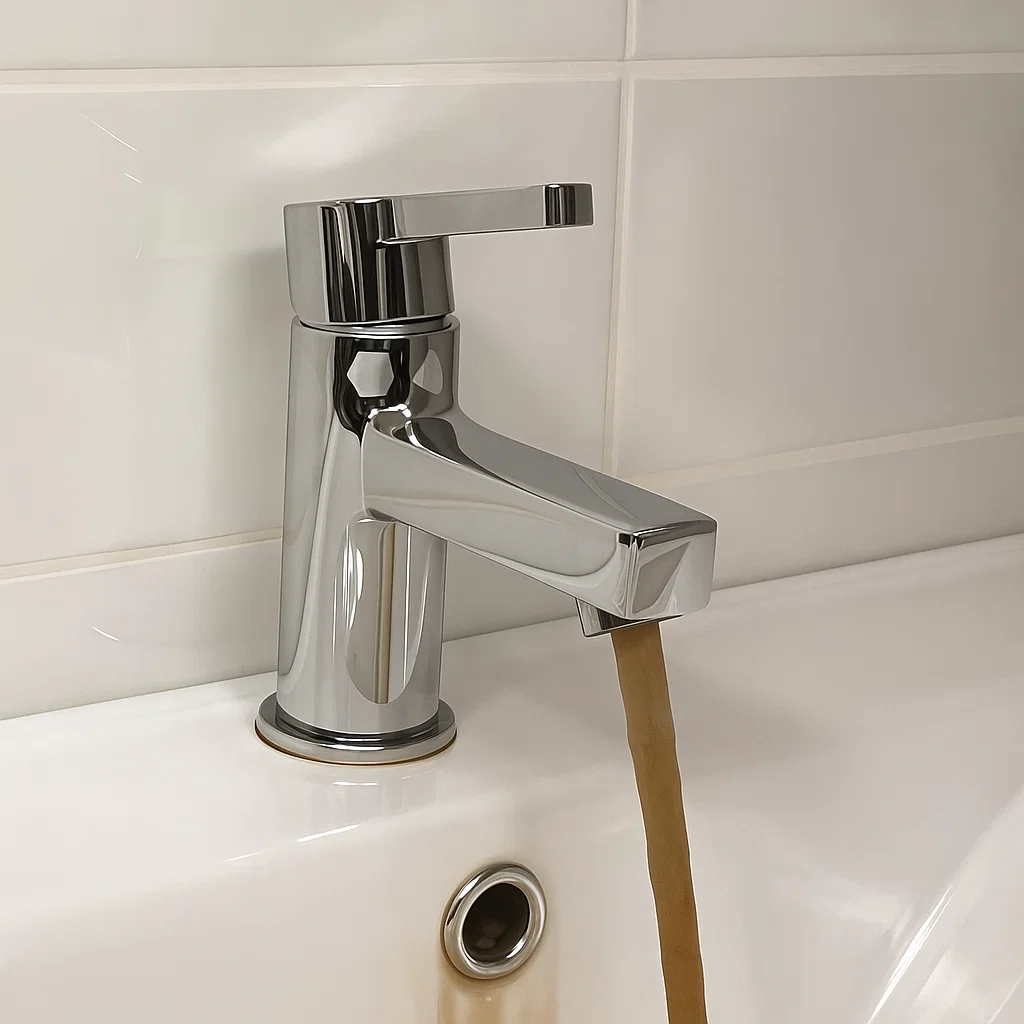

From Stained to Spotless


From Stained to Spotless
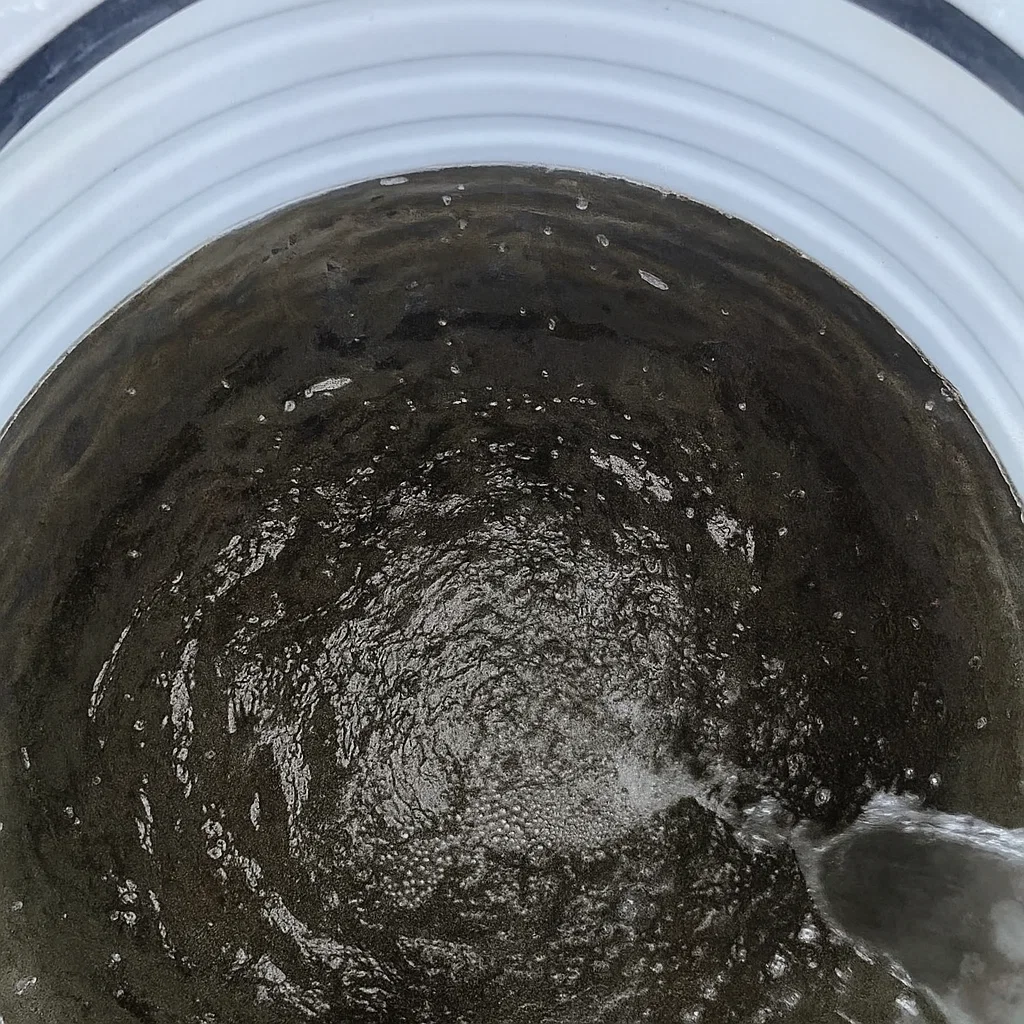

From Stained to Spotless



Features of Overhead Tank Filtration System
High-Quality Filtration Media
Built with High Quality filtration media like dual media filter, and activated carbon filter. our systems efficiently tackle both physical impurities and chemical contaminants found in borewell or municipal water.
Durable and Weather-Resistant Design
Constructed using corrosion-resistant FRP materials, the filtration unit is engineered for outdoor installation near your overhead tank, ensuring long-lasting performance under all weather conditions.
Easy Installation & Compact Design
The system’s compact design allows easy installation on rooftops or near overhead tanks without occupying much space. It’s suitable for independent homes, villas, and apartment complexes.
Automatic or Manual Backwash Options
Choose between automatic self-cleaning filters for convenience or manual backwash systems for cost-effective operation. Both options ensure the filtration media stays clean and performs efficiently.
Low Maintenance Operation
Once installed, the system requires minimal upkeep — periodic cleaning or backwashing keeps it in top condition, saving time and maintenance costs.
High Flow Rate with Consistent Pressure
Designed to handle large volumes of water efficiently, the filtration system ensures steady water pressure across all taps, bathrooms, and appliances without affecting flow.
Compatible with Borewell and Municipal Water
Whether your source is borewell, sump, or municipal water, the system is customized to handle specific impurities, ensuring reliable performance across all water types.
Protects Plumbing and Appliances
By removing sediment and rust particles, the system prevents clogging in pipelines, skin issues,black cloudy water formation in overhead tank water, showerheads, and taps, extending the life of washing machines, geysers, and dishwashers.
Benefits of Overhead Tank Sediment Remover System


Our Water Sparks® Happy Family
GOOD Based on 108 reviews
 Posted on Google
 Radhakrishnan G
Trustindex verifies that the original source of the review is Google.
Got clarity by hearing the technical briefing by you engineerPosted on Google D Vinod RathodWater sparks have provided apt consultation w.r.t to my water problem. Mr Faarish has very patiently explained the pros and cons. His advice has definitely made us make the right choices. Thank you very much.Posted on Google
 WKM AUTOI interacted with the staff member, Mr. Faarish, who provided an excellent response and clear explanation. His service was professional and courteous, and I am really satisfied with the overall experience.Posted on Google
 Tisya NI had been planning to install water tank filters and approached Mr. Faarish for advice. Instead of rushing into the installation, he recommended conducting a proper water quality report first. Based on the results, it turned out that the filters were not necessary for my specific situation. This guidance saved me a significant amount of money. Mr. Faarish was honest, knowledgeable, and genuinely focused on my best interest rather than just making a sale. I truly appreciate his professional support and integrity. It’s rare to find someone so trustworthy in this field — highly recommended!Posted on Google
 thina garanWe were already using a water softener system which involves lot of manual work to operate rotate the Knob to wash it with salt and it requires frequent Softener Resine change every year We had to spend atleast 12k and the reason task is to follow up the person to change the media, so we looked into Water Sparks product while we search online and we had installed their Fully Automatic Water Softener Plant and Fully Automatic Filtration System, where the manual work is no more. Only work is we have to add Rock salt every 7 days or 10 days once, the water is better now. And we are never nearing the water plant to do the cleaning work which is really hassle free for us. Definitely we received a good support and post installation we had doubts to cope up with the system and we got a clear explanation for all our queries. Thanks team for your support and patience will recommend the product to my friends and if anybody reading this review have a call with their Experts to have a consultation.
Checklist to install Overhead Tank Filtration System For Drinking Water
- Assess water quality
- Choose the right Overhead Tank Filtration System
- Find installation location
- Gather necessary equipment
- Install pre-filters
- Connect the Overhead Tank Filtration System
- Install post-filters and storage tank
- Connect the drain line
- Check for leaks and test the system
- Maintenance and servicing


Checklist to install Overhead Tank Filtration System For Dialysis System
- Assess water quality
- Choose the right Overhead Tank Filtration System
- Find installation location
- Gather necessary equipment
- Install pre-filters
- Connect the Overhead Tank Filtration System
- Install post-filters and storage tank
- Connect the drain line
- Check for leaks and test the system
- Maintenance and servicing
Checklist to install Overhead Tank Filtration System For Scrubbing Station
- Assess water quality
- Choose the right Overhead Tank Filtration System
- Find installation location
- Gather necessary equipment
- Install pre-filters
- Connect the Overhead Tank Filtration System
- Install post-filters and storage tank
- Connect the drain line
- Check for leaks and test the system
- Maintenance and servicing

FAQ - Overhead Tank Filtration System For Hospitals
Why do hospitals need an overhead tank filtration system?
Hospitals require clean, hygienic, and sediment-free water for patient care, cleaning, and medical equipment. Water from borewells or municipal sources often carries mud, silt, rust, and chlorine odor that can contaminate tanks and pipelines. An Overhead Tank Filtration System ensures safe, clear water throughout the facility — supporting hygiene and patient safety.
How does the system help in maintaining hospital hygiene?
The system filters impurities before water reaches storage tanks, eliminating suspended solids, sediments, and odor. This prevents contamination in restrooms, patient rooms, ICUs, kitchens, and labs, ensuring consistent water quality for sanitation, washing, and cleaning purposes.
Can it handle high water usage in large hospitals?
Absolutely. Water Sparks designs custom high-flow filtration systems for healthcare institutions. Whether your hospital operates multiple floors or separate wings, our filtration systems maintain constant pressure and clean water supply across all departments.
How often does it require maintenance?
The system requires minimal maintenance, involving only periodic cleaning or backwashing. Water Sparks offers AMC service plans to hospitals for continuous system performance and dependable water quality.
Can it be installed without interrupting hospital operations?
Yes. The system can be installed on existing overhead tanks or sumps with minimal downtime. Our team ensures a quick and non-disruptive installation, so hospital activities remain unaffected.
What are the long-term benefits for hospitals?
Hospitals benefit from:
- Consistent safe and clean water supply
- Reduced plumbing and equipment damage from sediments
- Lower maintenance and cleaning costs
Why choose Water Sparks for hospital water filtration?
Water Sparks provides custom-engineered, chemical-free filtration systems designed for hospital-grade water quality. With strong service support in Chennai, Coimbatore, Bengaluru, and Hyderabad, we deliver reliable, professional water purification solutions trusted by healthcare institutions.
Read More
Overhead Tank Filtration System for Hospitals and Healthcare
Water use in hospitals and care facilities serves purposes other than comfort or convenience; it is intended for critical, lifesaving procedures. From drinking and handwashing to sterilization, dialysis, surgical scrubbing, and laboratory processes, every drop must ensure the best purity possible. Any compromise in water quality can lead to serious health risks, cross-contamination, damage to equipment, and regulatory non-compliance of which can threaten patient safety.
Many facilities now compare industrial-grade systems, such as a Sediment water filter for Hospitals or even a Sediment water filter for healthcare, when exploring options similar to an Overhead Tank Filtration System for healthcare, ensuring they achieve medical-grade purity. These comparisons help hospitals choose long-lasting water safety systems.
Across India, healthcare providers are beginning to recognise the importance of installing a reliable overhead tank filtration system for hospitals and healthcare, ensuring that stored water is clean, disinfected, and free from sediments, microorganisms, and harmful contaminants.
As water travels from source to overhead tanks, it often collects dirt, biological impurities, microplastics, and rust. Some institutions proactively evaluate filtration options commonly used in commercial settings, such as a Sediment water filter for Hospitals, before finalizing hospital-grade designs. Over time, these contaminants settle to the bottom of tanks, enter pipelines, and appear at taps and points of medical equipment. This is why many facilities include solutions like a UV and UF filter for overhead tank and incorporate techniques designed for microplastic removal from water to safeguard sensitive medical departments.
This growing awareness has driven hospitals to seek smarter technologies, including UV and UF filter systems for overhead tanks, as well as standards similar to an Overhead Tank Filtration System for healthcare, which provide dependable pathogen control and superior water clarity.
Healthcare institutions today are no longer willing to rely on unfiltered overhead tank water, especially when critical departments like ICUs, dialysis units supported by a Centralized Overhead Tank Filtration for dialysis units, surgical scrub sinks enhanced by a Centralized Overhead Tank Filtration for surgical scrub sink, and neonatal care areas that depend on a contamination-free supply. Departments that require strict microbiological control often depend on a UV filter for overhead tank, as it delivers reliable disinfection without chemicals.
Hospitals have also begun acknowledging the presence of dirty water in overhead tanks, often caused by poor maintenance, irregular desludging, municipal supply turbidity, and internal pipeline corrosion. When dirt and microbial contaminants accumulate, the risk of bacterial colonization increases, leading to repeat waterborne outbreaks and biofilm formation inside plumbing lines. The presence of bacteria in water tanks is one of the most common causes of recurring infections in poorly maintained hospitals.
Many healthcare water safety teams now incorporate advanced micro-pollutant removal technologies, including microplastic removal from water, into their system planning. This is why guidelines strongly recommend continuous filtration at the tank level, not just point-of-use treatment, with some choosing solutions like a UV filter for overhead tank for consistent microbial protection.
In many parts of India, ageing water distribution pipelines deliver water with heavy sediments, bringing urban impurities right into hospital overhead tanks. This is especially common in metropolitan cities, where a dedicated Tank filter for suspended solids near the tank inlet becomes essential to reduce sediment load. Hospitals using large-scale purification models sometimes study how a Sediment water filter for healthcare manages high particulate flow to inform their own system design. Similarly, hospitals dependent on borewells often struggle with iron leaching, leading to yellowish discolouration and corrosion inside tanks — a visible form of rust in overhead tanks, which can damage medical plumbing lines and water heaters used in patient care. To counter this, facilities frequently upgrade pre-filtration by using a Tank filter for suspended solids, which improves clarity and reduces rust accumulation in pipeline networks.
The rainwater filters or advanced rainwater harvesting systems are especially chosen by institutions and hospitals that rely on rainfall and use rooftop harvesting systems to prevent leaves, mud, insects, and debris from getting into storage tanks. Without such filtration steps, the turbidity of water stored in tanks increases, and its clarity decreases, leading to higher microbial risks. Many incorporate multilayer steps similar to those used in an Overhead Tank Filtration System for healthcare, aiming for maximum operational safety.
Large healthcare facilities, especially those with laundries, kitchens, and patient-care wards, benefit from a tank filter for suspended solids, which prevents sediment accumulation inside distribution pipelines. These filters also protect equipment such as geysers, boilers, washing machines, and dental chairs that require sediment-free water for efficient operation. Some even compare commercial filtration methods like a Sediment water filter for healthcare to optimize system performance for high-demand hospital networks.
Some medical campuses choose an integrated UV filter for overhead tank system to ensure that pathogens like E. coli, coliforms, and waterborne viruses are neutralized as water flows from the tank to the distribution lines. Given that microbiological safety is a cornerstone of hospital hygiene, UV systems offer a chemical-free way to ensure consistently safe water for sensitive departments. Many such installations are now part of broader upgrades involving a Centralized Overhead Tank Filtration for surgical scrub sink, enhancing hygiene protocols.
In recent years, another concern has gained attention: the removal of microplastics from water. Microplastics enter municipal water systems from broken plastic pipelines and environmental pollution. It is unacceptable for a hospital to have microplastic exposure, especially for patients. This has led to the integration of high-precision UF membranes that can capture microscopic particles effectively before water reaches patient-care areas. These upgrades are often packaged into advanced designs similar to an Overhead Tank Filtration System for healthcare, used in multi-building facilities.
Hotels and restaurants have long utilised filtration systems to ensure the safety of kitchen and guest water. Similar systems, such as sediment water filters for hotels and sediment water filters for restaurants, have now been adapted to meet healthcare filtration requirements. Many of these industrial-grade filtration solutions are adopted by hospitals themselves to maintain consistent water quality throughout large, multi-building campuses.
Many healthcare facilities also upgrade to a whole house sediment removal filter, applied on a building-wide level. This ensures that all outlets — from nurse stations and patient baths to sterile preparation rooms — receive clean, sediment-free water at all times. Hospitals, in particular, benefit from sediment filters for overhead tanks, which reduce turbidity and prevent particles from circulating within long pipeline networks.
Departments such as dialysis units, ICUs, blood banks, and sterile areas require advanced filtration because even minor contamination can disrupt medical processes. That is why many institutions today invest in a sediment removal filter for hospitals; the device is designed to remove very fine particles before water enters sensitive medical fixtures. Similarly, sediment removal filters assure clinics, nursing homes, and diagnostic centres of uniform water safety for both outpatient and inpatient operations.
Critical departments such as dialysis, where water purity directly affects patient health, frequently choose a centralized overhead tank filtration system for dialysis units, providing stable pre-filtration before water reaches the RO systems inside the dialysis department. Dialysis machines require ultra-clean water; pre-filtration at the tank stage is necessary to avoid equipment fouling and patient complications. Surgical suites and sterile zones benefit from a centralized overhead tank filtration system for surgical scrub sinks, where surgeons wash using only the purest water. Large multi-floor hospitals with extensive water usage often deploy a centralized overhead tank filtration for hospitals, ensuring uniform water quality across all wings and departments.
How Does an Overhead Tank Filtration System Work for Hospitals and Healthcare?
Hospitals rely on predictable, contamination-free water. The overhead tank filtration system for hospitals and healthcare facilities employs multistage processes for different categories of impurities. Typically, the system begins at the inlet point, where raw municipal or borewell water enters the storage tank. Before the water flows into the tank, large impurities like sand, silt, rust flakes, and organic debris are removed. This is where pre-filtration, including sediment removal technology, plays a key role.
A multi-stage setup may include mechanical filtration, activated carbon layers, microfiltration membranes, and disinfection technologies like UV. For example, a UV and UF filter for overhead tank applications treats water after sediment removal to ensure pathogens are neutralized and microscopic contaminants are removed. This ensures that the water entering hospital pipelines is both clear and microbiologically safe.
The next stage involves maintaining the integrity of stored water. Since tanks are prone to collecting dirt, a system designed to handle dirty water in overhead tanks must include periodic circulation and filtration cycles. These cycles prevent stagnation and help control bacterial proliferation. Bacteria in water tanks often multiply when water remains unused for several hours, making hospitals especially vulnerable due to their 24/7 operations.
To prevent corrosion, systems designed for environments with rust in overhead tanks incorporate components that target dissolved iron and corrosion particles. In locations where suspended solids are high — especially in metro water supply — a tank filter for suspended solids ensures clarity even when water quality fluctuates during monsoon or pipeline repair periods. For hospitals using UV filter setups for overhead tanks, the final stage involves disinfection, ensuring that pathogens are eliminated before the water reaches essential service points, such as surgical scrub stations. [1]
Facilities near industrial zones or areas with high plastic pollution integrate microplastic removal from water into their system architecture. As rainwater becomes an increasingly common water source, especially in eco-conscious hospitals, rainwater filters and rainwater harvesting filters ensure stored water remains free from natural debris and contaminants.
Large campuses with several departments are common in hospitals that stress long-term reliability; an Overhead Tank Filtration System for healthcare can complement this infrastructure. The integration of modern filtration upgrades into these systems ensures consistency in water purity throughout seasonal fluctuations. The Overhead Tank Filtration System for healthcare approach is now becoming a standard in multispecialty hospitals, particularly where water consumption is continuous and safety cannot be compromised. In some cases, facilities even learn from commercial-grade solutions, such as a sediment water filter for Hospitals, and apply similar principles to strengthen their internal systems.
With increasing demands for water quality, facilities typically improve their purification stages by adding a Tank filter for suspended solids in case of unexpected sediment loads. Under conditions where sharp variations in dissolved and particulate impurities are recorded, such filters offer reasonable stability of operation and mechanical wear. Hospitals also deploy dual-stage disinfection through both a UV filter for overhead tank and enhanced sterilization cycles to protect surgical and neonatal units. In parallel, some healthcare complexes adopt practices inspired by a Sediment water filter for healthcare, using them as benchmarks for continuous, high-volume purification efficiency. Advanced filtration methods are also aligned with the increasing focus on microplastic removal from water, ensuring water safety standards meet modern environmental challenges.
Specialised distribution planning further benefits critical care departments, such as the installation of a Centralized Overhead Tank Filtration for dialysis units, which stabilizes pre-filtered water for the dialysis RO systems. This configuration, located in a central area, prevents any spikes in contamination that may interfere with patient treatments. Similarly, surgical departments reinforce hygiene protocols through a Centralized Overhead Tank Filtration for surgical scrub sinks, ensuring surgeons have microbe-free water uninterruptedly before every procedure. Facilities that rely heavily on automated systems also benefit again from using a UV and UF filter for overhead tank setup, which maintains biological safety through continuous disinfection. To further strengthen distribution safety, high-flow filtration systems inspired by sediment water filters for hotels and tested against the performance of sediment water filters for restaurants are frequently referenced during system planning.
Why is an Overhead Tank Filtration System Important for Hospitals and Healthcare?
Water safety is one of the most critical responsibilities of any medical institution. A properly planned overhead tank filtration system for hospitals and healthcare ensures that every tap supplying water to patients, staff, and sterile departments delivers consistently safe water. This is far more than a convenience—it is a fundamental requirement for preventing infections and ensuring a smooth medical workflow.
A major problem that tanks face is the rapid buildup of sediments and organic waste. Many hospitals unknowingly use contaminated storage water because traditional tank cleaning schedules cannot keep pace with the increasing pollution. That is why an advanced system with both mechanical and membrane purification stages, including UV and UF filter units for overhead tank installations, has become essential. These systems eliminate not just visible particles but also pathogens that cannot be detected without laboratory testing.
Hospitals regularly report complaints of dirty water in overhead tanks, especially after pipeline repairs, monsoon inflow, and municipal disturbances. As dirt and organic debris settle at the bottom, water turns cloudy and develops foul odors. When this water circulates through hospital distribution networks, it increases the risk of biofilm formation. Biofilm acts as a breeding ground for harmful microorganisms, making it even more important to incorporate filtration at the tank level.
A significant portion of water contamination incidents in medical facilities is connected to unnoticed bacteria in water tanks that grow in stagnant or untreated water reserves. Pathogens like E. coli, Pseudomonas, Legionella, and coliform bacteria thrive in warm tank environments, and such contamination can immediately compromise patient safety. A filtration system with disinfection ensures that bacteria are neutralized before water exits the tank.
Corrosion is another frequently underestimated concern. Many hospitals face problems with rust in the overhead tanks due to old municipal pipelines and poor-quality borewell water. The resultant damage to plumbing recurs frequently, showing up as reddish-brown stains on fixtures. Rust particles can clog microtubes and medical instruments, leading to increased maintenance downtime. Early treatment of iron contamination helps avoid long-term damage to infrastructure.
Sediments and turbidity pose yet another challenge. Hospitals in urban areas often rely on Metro water filters to handle fluctuating quality in city-supplied water, ensuring clarity before the water is pumped to rooftop tanks. Similarly, healthcare environments that use rainwater as a supplementary source must employ rainwater filters or more advanced rainwater harvesting systems to maintain safe storage conditions.
Facilities that process high volumes of laundry or have commercial kitchens also depend on systems, like sediment water filters for hotels or restaurants, which have been adapted for healthcare applications. This can help prevent blockages in the system, extend the service life of washing equipment, and protect patient attire and linen.
A broader, building-wide approach is possible using a whole house sediment removal filter, which ensures sediment-free water to every operational department. Similarly, using a certified sediment filter for overhead tanks reduces turbidity before the water enters distribution pipelines. These solutions work exceptionally well in multi-wing hospitals, ensuring uniform water quality from patient rooms to operating theatres.
Highly sensitive areas benefit most from targeted systems. A sediment removal filter installation for a hospital ensures that the water supply is free from particles, particularly in highly demanding operations, such as emergency procedures. A sediment removal filter for health care set-ups is necessary for clinics and diagnostic centers, since it ensures a consistent purity, especially where small instruments and spray nozzles are present. [2]
Additionally, speciality departments such as dialysis units cannot risk even minor contamination. For these needs, hospitals adopt a centralized overhead tank filtration system for dialysis units, guaranteeing that water feeding into dialysis machines remains clean and stable. Surgical rooms also use a centralized overhead tank filtration system for surgical scrub sinks, maintaining microbiologically safe water for surgeons and assistants. At a campus-wide level, multi-block medical institutions deploy a centralized overhead tank filtration for hospitals to distribute consistently purified water regardless of supply fluctuations.
Health Risks Caused by Sediments in Water
Sediments are much more than just an aesthetic problem. They bring with them numerous water safety risks that can have severe consequences for both patient outcomes and hospital infrastructure. When sediments enter an overhead tank, they gradually accumulate, transforming once-clear water into a cloudy, contaminated mass. This is why every modern overhead tank filtration system for hospitals and healthcare must include sediment control as a fundamental feature.
Sediments often carry embedded microorganisms. In this context, a system incorporating UV and UF filter technologies for overhead tanks is essential for ensuring pathogen-free water. Not all particles are visible; many contaminants are microscopic, yet still pose a threat.
When a tank has high levels of contamination, staff may notice dirty water in overhead tanks, which indicates a deeper problem that has gone untreated for weeks or even months. Dirt and organic debris accumulate in the internal corners of the tank, creating a breeding ground for pathogens. As dirt settles at the bottom, bacteria multiply, eventually leading to the widespread presence of bacteria in water tanks.
Sediments mixed with water flowing through corroded pipelines often lead to severe rust in overhead tanks, which causes reddish discolouration and metallic tastes. Restaurants and large hospitality spaces once relied on industrial filtration technologies, such as sediment water filters for hotels. Many hospitals have adopted similar systems due to their proven effectiveness and consistency.
Urban hospitals that use municipal water often face fluctuating quality levels and may rely on a Metro water filter at their inlet to control turbidity. Facilities also increasingly utilize rainwater filters to manage harvested water. Without this filtration, sediments carry both organic matter and pollutants into the hospital tank. A more refined version, the rainwater harvesting filter, manages heavy inflow volumes while maintaining clarity.
Whenever sediments enter the main building pipelines, they pose a threat to equipment. They clog washing machines, autoclaves, dental water lines, and even physiotherapy and hydrotherapy pools. This is why facilities benefit from systems like a whole house sediment removal filter and a strong sediment filter for overhead tanks.
Hospitals that understand the critical nature of water safety rely heavily on robust filtration models, including certified sediment removal filters, especially when patient wards rely on clean water for grooming, bathing, and hygiene. Clinics and outpatient centers prefer a sediment removal filter for healthcare so that all water points remain safe and sediment-free.
Specialized departments continue to depend on improved filtration mechanisms. Patients undergoing dialysis are highly vulnerable, and any sediment contamination could cause equipment malfunction or health complications. Hence, medical teams insist upon a centralized overhead tank filtration system for dialysis units. Surgical departments must also maintain sterile conditions and therefore, rely on a centralized overhead tank filtration system for surgical scrub sinks. Larger medical campuses conduct routine upgrades, integrating a centralized overhead tank filtration for hospitals into their infrastructure to maintain stable quality across all wings.
Many modern facilities have now incorporated an Overhead Tank Filtration System for healthcare into their long-term water safety strategy to ensure superior protection for all water outlets. The incorporation of a UV and UF filter in the overhead tank setup further elevates safety by neutralising microbial contaminants before they reach critical departments.
Hospitals also prefer a Tank filter for suspended solids to ensure that heavy particles never enter the building pipelines. To reinforce microbial defence, many facilities install a secondary UV filter for overhead tank system as a safeguard. With rising concerns about microplastic removal from water, healthcare centres are also prioritising advanced filtration that targets the smallest particles. Even large commercial spaces, which were once dependent only on basic filtration, now adhere to the standard of using a Sediment water filter for Hospitals due to its reliability in tackling variable water quality.
Catering blocks and canteens inside hospitals benefit from adopting the same technologies used in the food industry, especially a Sediment water filter for healthcare, which prevents impurities from entering cooking and washing lines. In larger hospitals, the need to have a Centralized Overhead Tank Filtration for a dialysis unit is quite necessary to maintain consistent purity for sensitive treatment areas.
Such units rely on multistage filtration and operate in complete coexistence with the existing Overhead Tank Filtration System for healthcare installations. In addition, high-risk zones benefit from the combined strength of a UV and UF filter for overhead tank when water quality fluctuates seasonally. When dealing with high particulate load, a Tank filter for suspended solids plays a crucial role in preventing equipment strain. Even when dealing with municipal fluctuations, the presence of a Sediment water filter for hospitals-grade system ensures uniform clarity across all points.
Critical care blocks depend heavily on a Centralized Overhead Tank Filtration for surgical scrub sink, ensuring surgeons always have access to sterile, particle-free water. The same attention is required in renal care, where a Centralized Overhead Tank Filtration for dialysis unit prevents sediments or pathogens from entering dialysis lines. To control microbial threats, specialists reinforce disinfection stages by adding a UV filter for overhead tanks, alongside tertiary treatment units.
Environmental teams also focus on microplastic removal from water to prevent long-term health impacts on vulnerable patients. Since food and accommodation wings must also maintain high clarity, facilities often integrate a Sediment water filter for healthcare to match the purity standards of clinical blocks. The combined use of a Tank filter for suspended solids and a premium Overhead Tank Filtration System for healthcare ensures a stable, hospital-grade water supply throughout the campus.
How the Installation of an Overhead Tank Filtration System for Hospitals and Healthcare Reduces Health Risks
Filtration systems for the overhead tanks of hospitals and healthcare facilities are more than just upgrades; they serve as shields that protect against infection, improve sanitation, and ultimately increase efficiency within their respective fields of operation. Hospitals deal with vulnerable patients, and making clean water available is key to the hygiene of their staff, the operation of equipment, and the overall safety of the facility.
These systems limit sediment inflow, reduce corrosion risk, and remove harmful microorganisms. Membrane-based solutions, such as UV and UF filter technologies for overhead tanks, destroy pathogens and reduce turbidity, ensuring hospital water remains safe for all cleaning and washing processes. Many hospitals initially become aware of contamination when they encounter dirty water in overhead tanks, but a robust filtration system prevents such situations entirely.
Bacterial growth in water reserves has led to numerous outbreaks of hospital-acquired infections. Utilizing filtration that prevents bacteria in water tanks ensures that water distributed throughout wards and ICUs meets high microbiological safety standards.
Corrosion control is another vital advantage. With the presence of rust in overhead tanks, water becomes unsafe for patient bathing and equipment washing. A robust filtration system minimises the impact of corroded pipelines and prevents iron deposits from contaminating sensitive medical zones.
Hospitals that rely on city water implement supportive devices, such as a Metro water filter, to manage fluctuating water quality. Sustainable hospitals with rainwater systems utilise rainwater filters and rainwater harvesting systems to remove debris and turbidity before storing the water.
Some facilities adopt industrial-grade options, such as sediment water filters for hotels or restaurants, repurposing them for medical needs due to their high flow capacity.
A comprehensive whole house sediment removal filter or a well-installed sediment filter for overhead tanks ensures that all supply points—from patient showers to surgical rooms—receive sediment-free water. Specialized tools are used inside critical departments: a sediment removal filter for hospitals ensures continued safety across high-contact zones, while a sediment removal filter for healthcare provides a uniform solution for clinics and laboratories.
In highly sensitive areas such as nephrology, a centralized overhead tank filtration system for dialysis units protects the health of patients by preventing impurities from reaching the dialysis machines. Surgical zones benefit from dedicated disinfection through a centralized overhead tank filtration system for surgical scrub sinks, ensuring sterile water for the medical staff. Across the entire campus, using a centralized overhead tank filtration for hospitals provides a unified water quality standard.
Modern medical campuses increasingly rely on an Overhead Tank Filtration System for healthcare to maintain consistent safety across all wings, ensuring uninterrupted protection for staff and patients. By pairing this with a UV and UF filter for overhead tank, hospitals achieve multilayer purification designed to eliminate microbial risks at every stage. Facilities also strengthen their water infrastructure using a Tank filter for suspended solids, which prevents heavy particles from entering distribution lines. Many institutions also reinforce disinfection reliability by making sure to supplement the systems with a UV filter dedicated to overhead tanks, ensuring the neutralization of pathogens before such water reaches high-contact areas.
The growing concern for the environment has prompted hospitals to adopt water technologies that remove microplastics, thereby mitigating the risks associated with their long-term exposure. Even large establishments previously dependent on commercial systems, such as a Sediment water filter for Hospitals, now adapt these high-capacity filters to support demanding healthcare operations.
Food service units inside medical campuses benefit from integrating a Sediment water filter for healthcare, ensuring kitchen and cafeteria water remains free from visible and invisible impurities. With the expansion of the hospital infrastructure, a Centralized Overhead Tank Filtration for the dialysis unit also becomes paramount for consistency in clarity and microbial protection in nephrology care. Many of these departments thus function in collaboration with an Overhead Tank Filtration System for healthcare, creating a multilayered safety network that protects vulnerable patients. To further improve treatment reliability, units also install a second UV and UF filter for overhead tank to mitigate seasonal water quality variations.
Heavy particulate load is effectively managed by a Tank filter for suspended solids, which prevents blockages in sensitive medical equipment. Some hospitals standardize their purification across departments using technologies inspired by a Sediment water filter for Hospitals, ensuring stable water quality even during peak demand.
Surgical departments prioritize sterile water availability by implementing a Centralized Overhead Tank Filtration for surgical scrub sink, ensuring complete removal of contaminants at every handwash station. Additionally, renal care teams depend heavily on a Centralized Overhead Tank Filtration for dialysis unit to protect patients from harmful particles entering dialysis lines.
To further strengthen disinfection processes, many facilities integrate a second-stage UV filter for overhead tank to maintain constant microbial control. The rise in concern is also being acted upon by the incorporation of advanced microplastics removal from water technologies that target the particles not visible to the naked eye. Cafeterias and staff kitchens benefit from dual-stage protection, utilising a Sediment water filter for healthcare, which ensures consistently good hygiene across all water points. When dealing with fluctuating particle levels, the combined application of a Tank filter for suspended solids and a premium Overhead Tank Filtration System for healthcare protects clinical, residential, and service areas equally.
Why Water Sparks Is the Best Choice for an Overhead Tank Filtration System in Hospitals and Healthcare in Chennai, Coimbatore, Bangalore, and Hyderabad
Water safety is one aspect where neither hospitals nor healthcare institutions can afford to compromise. Considering the problems of sediment load, microbial contamination, and ageing plumbing networks, the choice of an appropriate purification partner becomes crucial. Water Sparks has earned a leading reputation for delivering reliable solutions, especially when hospitals require an overhead tank filtration system for hospitals and healthcare that guarantees consistent performance. Across all major South Indian cities, Water Sparks designs customized systems that tackle site-specific water problems, ensuring uninterrupted purity.
Most hospitals in Chennai and Coimbatore experience seasonal turbidity issues; therefore, heavy inlet protection is necessary to mitigate these issues. Water Sparks effectively implements modern technologies, utilising UV and UF filter systems for the installation of overhead tanks, to provide safety against microbes with minimal maintenance. Their system ensures that hospitals never encounter surprises, such as sudden contamination in overhead tanks, even when municipal sources fluctuate during the monsoon season.
Microbial contamination poses serious risks. Water Sparks designs solutions that eliminate bacteria in water tanks, preventing waterborne cross-contamination during routine medical activities. This is crucial for ICUs, neonatal care, and emergency units. Many hospitals in older buildings often face challenges related to structural corrosion, as well as significant deterioration in water safety due to rust in overhead tanks. Water Sparks addresses this with iron-removal pre-stages integrated into their filtration design.
Urban hospitals, which rely on municipal supplies, typically require supplemental filtration equipment. Water Sparks offers additional components, such as the Metro water filter, that ensure consistency despite variable city water pipelines. Facilities using alternative water sources, such as rooftop harvesting, benefit from enhanced rainwater filters and more complex rainwater harvesting filters, both engineered to eliminate pollutants brought by rainfall, leaf debris, and rooftop dust.
To manage heavy sediment load, Water Sparks blends specialized technologies commonly used in high-volume commercial kitchens and hospitality setups, such as sediment water filters for hotels and sediment water filters for restaurants, adapting them for healthcare water loads. As patient laundry and sterilization units demand high uptime, these commercial-grade systems perform reliably under intensive use.
Large multi-speciality facilities also require building-wide purification. Water Sparks integrates a whole house sediment removal filter or a heavy-duty sediment filter for overhead tanks, depending on the infrastructure. These systems ensure that every department, from nursing stations to surgical suites, receives clean, particle-free water.
Hospitals that handle sensitive medical processes choose Water Sparks for its precision-engineered solutions. A sediment removal filter for hospitals ensures consistent water clarity, protecting instruments and washing units. Smaller healthcare centers are similarly served with sediment removal filters for healthcare, which provide reliable service to clinics and outpatient facilities. Specialized branches like nephrology get a centralized overhead tank filtration system for dialysis units to maintain stable water quality for dialysis machines. Surgical departments receive customized installations, including a centralized overhead tank filtration system for surgical scrub sinks to ensure immaculate water for scrubbing hands. For large campuses, Water Sparks also installs centralized overhead tank filtration for hospitals to ensure consistent water quality throughout the departments.
Water Sparks’ Overhead Tank Filtration System for Hospitals and Healthcare Across Chennai, Coimbatore, Bengaluru, and Hyderabad
Water Sparks has developed a unique filtration framework specifically optimized for hospitals and healthcare institutions. Their infrastructure-grade system is engineered to address the real-world challenges that medical buildings face, making it the best source for an overhead tank filtration system for hospitals and healthcare facilities. They focus on pre-treatment, sediment removal, microbial disinfection, and long-term stability.
Their systems incorporate robust membrane technology, ensuring pathogens are neutralized with a high-precision UV and UF filter for overhead tank setup. These systems ensure that fluctuations in source quality do not result in sudden dirty water in overhead tanks, even when weather or supply conditions are erratic.
Water Sparks reduce the survival window for bacteria in water tanks by maintaining strong circulation mechanisms and eliminating stagnation. Their anti-corrosion modules prevent the reappearance of rust in the overhead tanks, thereby enhancing the lifespan of the infrastructure. Hospitals in metro cities are equipped with a Metro water filter module, ensuring that suspended particles are removed before entering the main tank. Rain-dependent systems benefit from rainwater filters and advanced rainwater harvesting filters, stabilizing harvested water before storage. [3]
As hospitals generate a substantial volume of water, they rely heavily on sediment control measures. Water Sparks utilises commercial-grade sediment water filters for hotels and equivalent sediment water filters for restaurants, specifically designed for medical workloads. These operate seamlessly under high flow, preventing equipment downtime.
With its advanced multi-stage design, the Water Sparks system ensures that all areas of a hospital receive clear water through a whole house sediment removal filter or a high-capacity sediment filter for overhead tanks. With system customization, Water Sparks installs a sediment removal filter for hospitals in mission-critical zones and a sediment removal filter for healthcare in clinics and general medical facilities. For specialized use cases, they build a centralized overhead tank filtration system for dialysis units, a centralized overhead tank filtration system for surgical scrub sinks, and a full-campus centralized overhead tank filtration system for hospitals.
Why Choose Water Sparks’ Overhead Tank Filtration System for Hospitals and Healthcare?
Hospitals need partners they can trust. The trust earned by Water Sparks is based on years of experience, technical expertise, and consistently high client satisfaction. Their solutions, designed as an overhead tank filtration system for hospitals and healthcare, combine engineering precision with healthcare-grade safety standards. Their rapid response support teams, strong technical expertise, and reliable maintenance protocols make Water Sparks the preferred choice.
Their integration of UV and UF filter technology for overhead tank installations ensures unmatched microbial safety. Hospitals can now rest assured that they will never encounter dirty water in their overhead tanks, even under fluctuating supply conditions. Their designs ensure no chance of uncontrolled bacterial growth in water tanks, safeguarding patients from waterborne infections.
Infrastructure protection remains a core priority. Their coatings, anti-rust modules, and filtration stages eliminate the recurrence of rust in overhead tanks, reducing long-term maintenance costs. Urban facilities greatly benefit from the included Metro water filter, while hospitals utilising rainwater systems appreciate the efficiency of their rainwater filters and rainwater harvesting systems.
Their robust sediment management system integrates commercial-grade solutions, adapted from sediment water filters used in hotels and restaurants, and engineered specifically for hospital-scale operations. Even large medical complexes see improved supply consistency with a whole house sediment removal filter, supplemented by a targeted sediment filter for overhead tanks.
Advanced medical departments rely deeply on the use of Water Sparks technology. While a sediment removal filter for hospitals will ensure hospital-wide sediment elimination, a sediment removal filter for healthcare will meet the needs of outpatient and diagnostic wings. For speciality units, Water Sparks offers a centralized overhead tank filtration system for dialysis units, a centralized overhead tank filtration system for surgical scrub sinks, and a fully integrated centralized overhead tank filtration system for hospitals, covering entire buildings.
Water Sparks’ Overhead Tank Filtration System for Hospitals and Healthcare – A Smarter Choice
With Water Sparks, reliability is just a choice away. Their expertise assures hospitals of the best overhead tank filtration system for hospitals and healthcare, designed to meet the peculiar demands of medical operations. Their technology brings together advanced sediment removal, membrane purification, and high-efficiency disinfection.
Their thorough systems incorporate a well-engineered UV and UF filter setup for overhead tank hygiene, preventing unexpected events like dirty water in overhead tanks and ensuring that bacteria in water tanks are neutralized completely. To prevent internal corrosion, the system removes the triggers causing rust in overhead tanks, protecting pipelines and medical equipment.
Facilities that depend on municipal water are fitted with a Metro water filter, while rainwater systems are secured using rainwater filters and rainwater harvesting filters. Water Sparks also integrates commercial-grade components such as sediment water filters for hotels and sediment water filters for restaurants, ensuring consistent performance under high demand. [4]
Sediment is managed effectively with the whole house sediment removal filter, along with a reliable sediment filter for overhead tanks. The sediment removal filter for hospitals and sediment removal filter for healthcare continue to be trusted solutions in hospitals and clinics alike, to ensure safety in patient care areas. Specialized units benefit from a customized centralized overhead tank filtration system for dialysis units, a centralized overhead tank filtration system for surgical scrub sinks, and widespread centralized overhead tank filtration for hospitals.
Water Sparks’ solutions ensure that every drop of water used in medical spaces meets rigorous standards—making their overhead tank filtration systems the smarter, safer, and most reliable choice for healthcare facilities across India.