
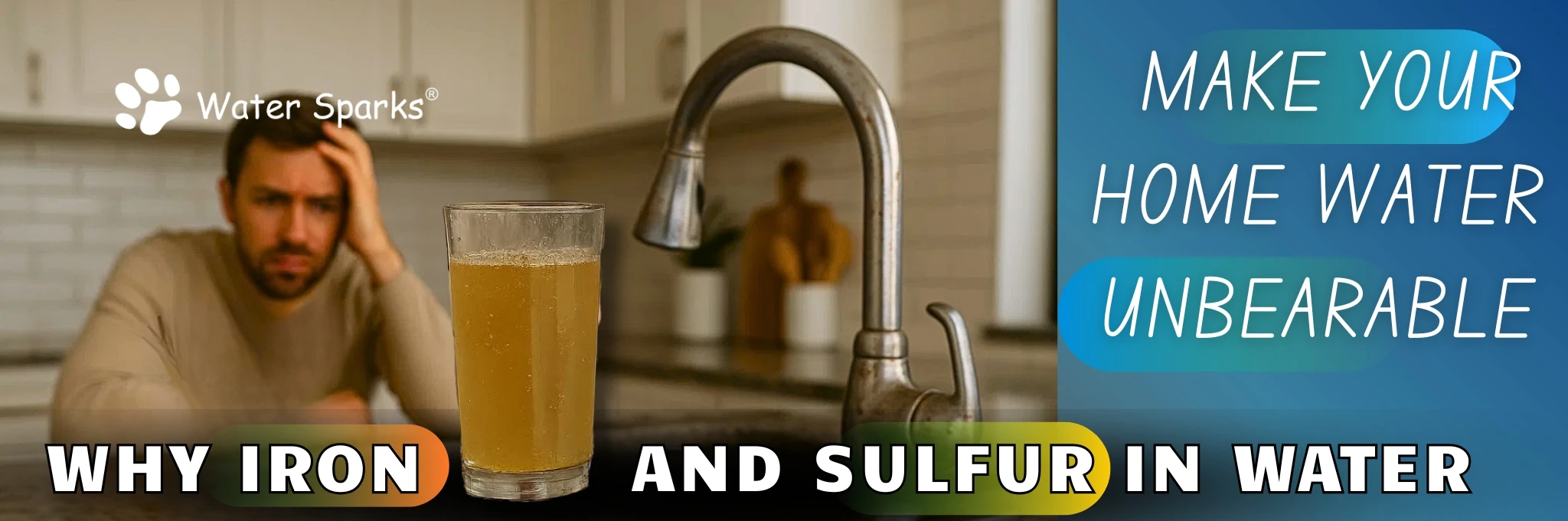
Why Iron and Sulfur in Water Make Your Home Water Unbearable
Most homes do not experience difficulty with iron and sulfur in water, which can produce a nasty and pungent smell, often likened to “rotten eggs” or a metallic odour. The stinky smell of water makes it uncomfortable to perform normal activities such as cooking, bathing, and washing. Iron in water and water-borne sulfur bacteria are mostly responsible for this issue. When both occur simultaneously, the issue intensifies because it causes bacterial contamination, resulting in a more pervasive odour. It is essential to understand how Iron and sulfur deposits in water function to effectively address this issue.
Periodic testing of water sources, such as overhead tanks and borewells, is crucial for determining the quantities of sulfur and iron in the water. Early detection enables the homeowner to take early action, like installing those specific iron and sulfur water filters, to minimize the stench of foul water and avoid Microbial contamination. Pre-emptive inspection not only makes drinking water more flavorful and aromatic but also protects home appliances and pipes from long-term damage.
Understanding Iron in Water and How it Affects
Iron in water is a naturally occurring element that can filter down to groundwater or borewells. Although small quantities are usually harmless, an excessive presence can cause reddish-brown colouration on sinks, utensils, and bathroom tiles. Iron and sulfur combined in water can enhance the stench of foul water and cause water discolouration. Bacterial contamination also tends to proliferate around iron deposits, enhancing odour and impacting water taste. [1]
Imperative to have regular treatment and upkeep of water sources to assist in the regulation of excessive iron content. Iron water filters or iron-sulfur removal systems can easily address stains, foul-smelling water, and Microbial contamination. Frequent checks help maintain the water’s safety, clarity, and palatability for household use.
How Sulfur Bacteria in Water Cause Rotten Egg Odors
Sulfur bacteria in water are typically hydrogen sulfide-producing bacteria found in groundwater or old plumbing systems. This causes the characteristic rotten egg smell. Alone, sulfur is unpleasant, but combined with iron in water, it creates a stronger foul water smell. High sulfur levels can also corrode pipes, stain fixtures, and contribute to Microbial contamination that worsens water quality. Iron and sulfur in water make it more difficult to control these problems.
Waters with sulfur bacteria require specialised solutions, such as sulfur removal units or covalent iron-sulfur filters. Routine water checkups and maintenance of pipes and tanks can reduce Microbial contamination and keep the bad odor of foul water from coming back, providing cleaner and safer water for domestic consumption.
The Interaction Between Iron and Sulfur That Intensifies Foul Water Smell
When Iron and sulfur deposits in water occur together, chemical interactions intensify odor and staining. Sulfur bacteria in water feed on iron, producing more hydrogen sulfide gas and increasing the foul water smell. Microbial contamination in this water can accelerate corrosion in water heaters, household appliances, and pipes, making treatment a necessity. The primary cause of this odour and staining problem is the presence of Water affected by iron combined with sulfur.
Regular monitoring and effective treatment means, such as the use of iron and sulfur filters or removal systems, can be employed to manage such interactions. Iron and sulfur bacteria in water are treated ahead of time before additional bacterial growth, the odor of bad water is reduced, and home plumbing and appliances are protected against long-term damage.
Signs of Bacterial Contamination in Your Water Supply
Typical signs of iron and sulfur in water contamination are a pungent rotten egg odor, reddish-brown or yellow colour stains, metallic taste, and slimy water. A pungent water smell, the presence of sulfur bacteria in water, and visible stains usually indicate ongoing bacterial contamination. Identifying these signs early is crucial to preventing further damage and health hazards.
Homeowners must conduct periodic water testing to verify the presence of iron, sulfur bacteria, and other impurities in their water. Early detection makes it possible to have the right treatment systems installed in a timely manner, like iron filters or sulfur elimination units, which eliminate foul water odor and minimize Microbial contamination for safer and cleaner water.
Daily Life Problems Caused by Iron and Sulfur Contaminated Water
Contaminated water with iron and sulfur in water can make bathing unpleasant, cooking taste off, and washing ineffective. Clothes may develop stains or a dull appearance. Appliances such as washing machines, geysers, and dishwashers can experience corrosion or scale formation due to the presence of Water affected by iron and sulfur bacteria. The foul water smell and Microbial contamination affect overall household comfort. [2]
With preventive measures such as fitting equipment that removes specialized iron and sulfur water or combined removal systems, the day-to-day lives can be greatly improved. Maintenance and monitoring appropriately reduce the odor of the foul water, prevent Microbial contamination, and protect home appliances from corrosion, yielding cleaner, safer, and more pleasant water use.
Health Risks of Iron in Water and Sulfur Bacteria Exposure
Extended contact with iron and sulfur in water can be a health hazard. Hydrogen sulfide gas produced by sulfur bacteria in water can result in stomach upset, headaches, or gastrointestinal discomfort. High levels of iron in water can be problematic for individuals with certain conditions, and bacterial contamination can increase the risk of waterborne illnesses. Iron and sulfur deposits in water pose a serious concern for the safety of drinking water.
Water sources are regularly tested and treated to reduce health hazards. Iron and sulfur removal systems or water filters specifically designed to address Microbial contamination can provide safer, cleaner water for drinking and everyday household use, safeguarding the health of everyone in the family.
Effective Methods to Remove Iron, Sulfur, and Bacterial Contamination
Iron and sulfur water treatment requires specialized measures. When combined, iron water filters, sulfur filter systems, and iron-sulfur filter plants are effective in removing both impurities. Professional systems also eliminate sulfur bacteria from water and stop foul water smell due to bacterial contamination. Regular testing enables the control of iron levels in water. [3]
In addition to occupational systems, residents can also undertake preventive measures such as regular storage tank cleaning, pipeline flushing, and monitoring of water quality. These processes ensure the effectiveness of iron and sulfur removing units, reduce Microbial contamination, and provide a consistent amount of odorless and safe water for daily use.
Preventive Measures to Avoid Foul Water Smell at Home
Maintaining overhead tanks and borewells helps prevent recurring issues with iron and sulfur in water. Cleaning, flushing pipes, and conducting periodic water tests can help control sulfur bacteria in water and prevent Microbial contamination. Installing high-quality iron water filters ensures that Water affected by iron and sulfur is removed, keeping the foul water smell away and providing safe, odor-free water.
Regular maintenance combined with professional monitoring can further enhance water quality. With properly functioning iron and sulfur removal systems, Microbial contamination is minimized, foul water odor is decreased, and the life of household plumbing and appliances is extended, delivering continuous clean water throughout the household. [4]