
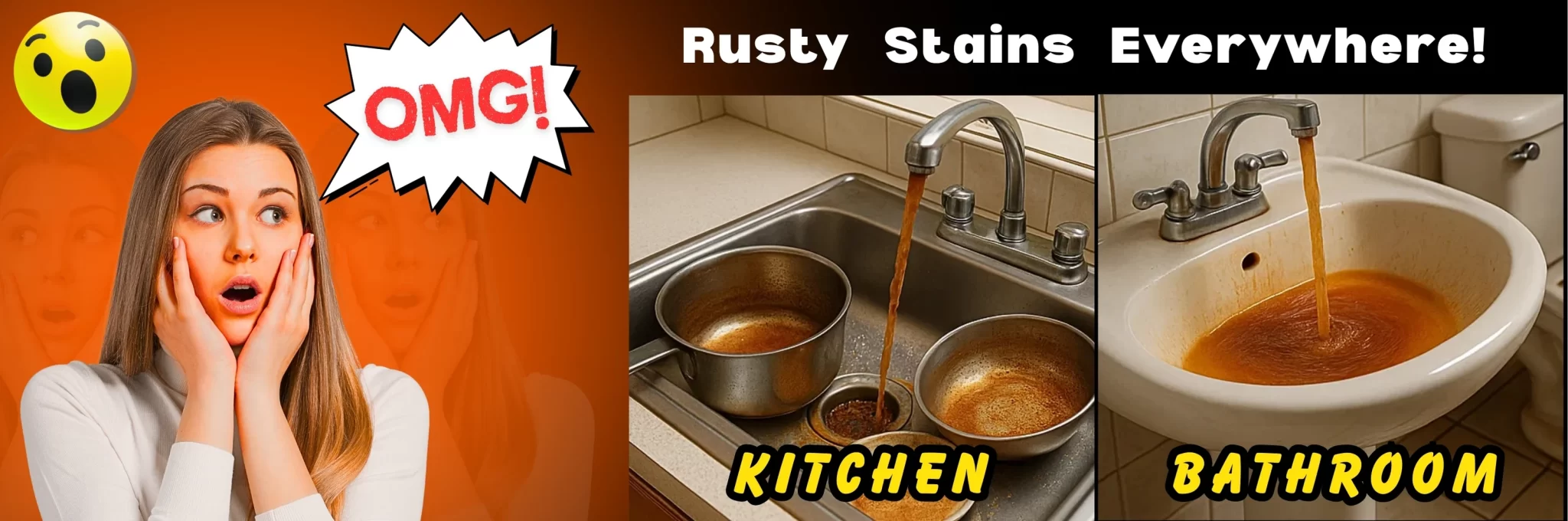
Why Borewell Water Turns Rusty and Stains Everything
If you have noticed that your borewell water turns rusty and leaves orange or brown marks everywhere, you’re not alone. This common problem is mainly caused by iron contamination in underground water sources. When iron water is exposed to oxygen, it oxidizes, making the water rusty and resulting in tough iron water stains on utensils, clothing, and plumbing fixtures. To overcome these problems, the effective installation of an iron removal plant is required. Proper treatment of iron water can regain your water quality and help save your house from rust and stain-induced damage. Not addressing the issue may result in further damage and higher maintenance costs. Prompt response guarantees your water remains safe and your household products remain in condition. Taking immediate steps can prevent long-term deterioration of your plumbing system. Additionally, maintaining clean water improves the overall comfort and hygiene of your home environment. Early intervention is key to avoiding unnecessary expenses and inconvenience. [1]
What Causes Borewell Water to Turn Rusty?
The primary reason why borewell water turns rusty is due to dissolved iron present in the groundwater. During extraction or exposure, the iron reacts with oxygen and creates rust particles, which taint water and make iron water stains. This iron contamination is commonly found in regions with iron-bearing soil and rock formations. If not treated properly, these particles deposit on surfaces and cause hard-to-remove orange or brown stains. These deposits can build up over time and clog pipes and appliances. This deposition not only disrupts water flow but also lowers the efficiency of home systems. Over time, the accumulation of rust can lead to corrosion of plumbing fixtures, resulting in leaks or damage. Homeowners may experience increased water bills due to inefficient water flow. Regular monitoring and treatment are necessary to prevent such complications and maintain water quality. In severe cases, the discoloration may spread to laundry and dishes, causing persistent marks. It can also create an unpleasant appearance in sinks, toilets, and bathtubs. Left unchecked, it may even affect the taste and clarity of stored water.
Types of Iron Contamination in Borewell Water
Iron contamination may manifest in the forms of ferrous (visible water iron), ferric (red water iron), and bacterial iron. Each one uniquely plays a role in why your borewell water turns rusty. Ferric iron, for example, immediately results in visible rusty spots on sinks and dishes. Bacterial contamination may result in slime and corrosion of pipes. Knowing the form of contamination is important so that the correct iron removal system and proper iron water treatment can be selected. Correct identification serves to avoid damage and ensure the chosen method of treatment functions well. Failure to account for these differences could mean ineffective treatments and ongoing water quality problems. Understanding the specific type helps in customizing maintenance schedules and optimizing treatment performance. It also aids in preventing secondary issues such as foul odors or biofilm formation. Proper diagnosis ultimately leads to more reliable and long-lasting solutions for your water quality concerns. [2]
How Iron Water Stains Household Items
If your borewell water turns rusty, it causes ugly brown stains on clothes, utensils, and bathroom equipment. The rust-colored stains are difficult to remove and tend to permanently discolor the material. Iron accumulation within appliances also shortens their life and effectiveness. Iron removal through a proper water treatment process in an iron removal system prevents such stains, ensuring household items remain clean and long-lasting. Routine prevention will protect you from the expense of future repairs and replacements. Keeping your water clean also enhances the general hygiene and condition of your home. Additionally, reducing iron buildup helps maintain the efficiency of washing machines and dishwashers. It also minimizes the risk of rust-related damage to plumbing fixtures. Overall, proper treatment supports a healthier and more comfortable living environment. [3]
The Role of an Iron Removal Plant
An iron removal plant filters dissolved iron out of the water and oxidizes it to strip the rust particles away from the water. This type of technology is very effective at keeping your borewell water from going rusty and knocking out the source of rusty stains. Installing the proper iron removal system is a key part of complete iron water treatment, enhancing water clarity and guarding your home’s plumbing and appliances. Routine operation and maintenance of the system provide stable water quality in the long term. It also prevents sudden equipment breakdowns and expensive emergency repairs. Consistent upkeep ensures the system functions at peak efficiency, reducing the need for frequent replacements. Well-maintained equipment contributes to a longer service life and better performance. This ultimately saves homeowners both time and money by avoiding unforeseen issues.
Signs Your Borewell Water Has Iron Contamination
You can determine if your borewell water goes rusty through some signs, i.e., reddish-brown water, iron water stains on utensils and sinks that never go away, and a metallic odor. The other signs are rusty pipes or faucets getting clogged. Identifying these signs at the early stage will assist you in deciding the right time to install an iron removal system for efficient water treatment. Early detection also avoids other damage to your appliances and plumbing. Acting early ensures improved water quality and decreased maintenance costs over the long term. Regular monitoring of your water can help catch these issues before they worsen. Consulting professionals at the first signs can prevent extensive damage. Staying proactive keeps your household running smoothly without unexpected disruptions. [4]
Benefits of Iron Water Treatment
Proper iron water treatment inhibits your borewell water from becoming rusty, safeguards plumbing, and prevents expensive repairs due to rust contamination. Iron removal also enhances the taste and transparency of water, making it safer and more enjoyable to consume. Having a good iron removal system ensures water quality consistency and prevents continual brown stains. This not only adds to the overall comfort of your house but also results in greater health and cleanliness. Maintaining water quality from treatment can extend the life of your appliances and reduce maintenance expenses. Clean water contributes to better daily living experiences, from cooking to cleaning. It also reduces the buildup of harmful deposits that can impair water flow. Investing in treatment ultimately provides peace of mind and long-term savings. Proper treatment also minimizes unpleasant odors and discoloration in your water supply. It helps preserve the appearance and function of your fixtures and fittings. Regular monitoring ensures that water quality remains high and consistent.
Selecting the Appropriate Iron Removal Plant
Choosing the best iron removal plant is based on the type and amount of iron present in your borewell water. Expert water analysis is necessary to determine the proper system for your use. A properly selected plant provides effective water treatment, saving your borewell water from rusting and iron water stains effectively. Putting an improper system in place might result in weak treatment and money wasted. Discussion with experts guarantees you spend money on a solution that solves your unique water quality problems. Proper sizing and installation are also critical to ensure optimal performance. Tailoring the system to your household’s specific needs helps maximize efficiency. This approach minimizes future complications and enhances long-term satisfaction with the treatment.
Shield Your House from Iron Pollution
When the water from your borewell goes rusty, it is an unmistakable sign of iron contamination that will leave rust stains on everything it comes in contact with. If untreated, rusty stains create problems and damage throughout your house. Fitting a good iron removal system for effective iron water treatment is the best means to protect your water supply and household essentials. Act at the earliest to have rust-free, clean water on a daily basis. Preventative work not only serves to keep your items secure but also enhances the overall comfort and security of your domicile. Early treatment prevents expensive repairs and sustains the life expectancy of your plumbing systems. Consistent care ensures that water quality remains stable over time. It also reduces the risk of unexpected breakdowns or failures in household systems. Taking these steps supports a healthier environment and peace of mind for you and your family.
One Response