
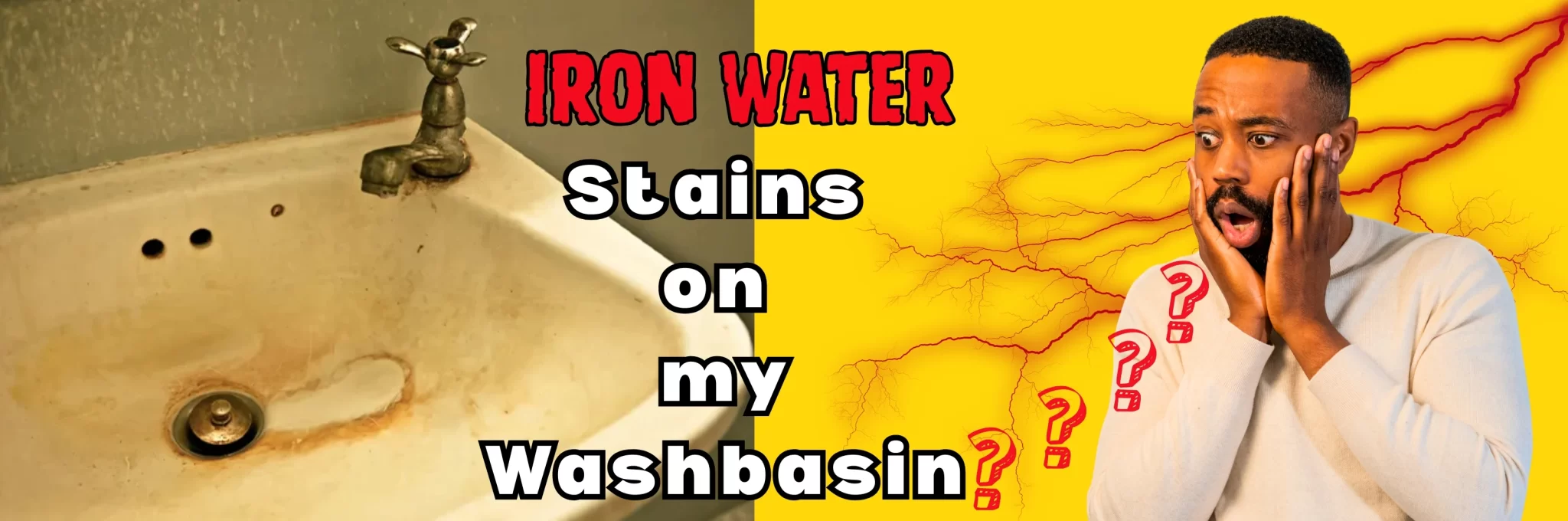
Stains on Washbasin or Bucket? It’s Iron in Water
You’ve cleaned it once. You’ve scrubbed it twice. But no matter how many times you rinse your washbasin or bucket, those stubborn reddish-brown stains just won’t go away. If this sounds familiar, the problem isn’t your cleaning routine—it’s the water itself. In many homes that rely on borewell or groundwater sources, iron in the water is a silent but constant troublemaker. [1]
Why You’re Seeing Stains in Washbasin and Sink
When iron in your water supply comes into contact with oxygen, it goes through a chemical reaction and turns into rust. This rust doesn’t just float away—it settles and clings to the surfaces it touches most often, especially places like washbasins, buckets, and taps. Over time, these reddish-brown deposits build up, leaving behind unsightly stains in washbasin corners and other damp spots in your bathroom. But these stains are not only a cleaning nuisance—they’re a definite sign of a greater rusty water problem. If left untreated, the iron can propagate its damage through plumbing fixtures, deposit orange smudges on tile, and even impact your washing, making clothes dull or yellow.
Common Signs of Stains in Bucket from Rusty Water
Buckets, whether plastic or steel, are often the first to show signs of brown water stains. The base or rim may develop a reddish tint that’s tough to scrub off. These stains in bucket surfaces are a direct effect of iron in water reacting with air inside your home. If left untreated, the staining can worsen over time, making even clean water look dirty. Overexposure can also lead to unpleasant metallic smells and shorten the lifespan of your buckets. [2]
What Causes Iron in Water at Home?
If you’re noticing red, orange, or brown marks on your bathroom fixtures, iron in water is likely the cause. In homes that rely on borewell water, dissolved iron is common—especially in areas where the soil is rich in iron content. This type of soil naturally leaches iron into the groundwater as it moves through underground layers. With time, the ongoing contact between water and mineral-laden soil raises the level of iron in the water. When groundwater moves through the layers of rocks and soils, it collects iron particles that are undetectable until the water reaches your house. At first, it seems clear, but when exposed to air, it oxidizes and becomes difficult brown water discoloration.These stains in washbasins, around taps, and stains in buckets—no matter how often you clean them. Left untreated, the problem only worsens over time. The first step toward a solution is identifying the rusty water problem and finding the right iron removal method.
How Iron in Water Creates Brown Water Stains
Brown water stains result from iron oxidation. When iron-rich water from your borewell or overhead tank comes in contact with oxygen, it turns into reddish-brown sediment. This residue sticks to sinks, tiles, and buckets, building up over time. The longer the exposure, the harder these brown water stains become to remove. If ignored, it can affect not just aesthetics but also hygiene. Regular scrubbing won’t help unless the iron water is treated at the source.
Health Risks Caused by Iron in Water
Iron in water may not be deadly, but it’s far from harmless. Long-term exposure can lead to dry skin, a metallic taste in drinking water, and even gastrointestinal discomfort. If there is an individual with sensitive skin or allergies at home, the rusty water problem can aggravate their situation. Furthermore, cooking and brushing with iron-infected water might not be healthy in the long term. Children and old people are particularly susceptible because their bodies might react more intensely to contaminants. Addressing iron water early on could prevent unnecessary health issues in the future. [3]
Rusty Water Problem: Why It Shouldn’t Be Ignored
Ignoring the rusty water problem can lead to more than just stains in bucket and washbasin surfaces. It can clog shower heads, damage appliances, and ruin water heaters. Over time, iron buildup narrows your pipes and affects water pressure. So while the stains might start small, the consequences grow large and costly. Even your washing machine and dishwasher can suffer from internal rusting, reducing their lifespan. Iron-rich water is also unfit for drinking, and running such water through an RO plant can damage the membranes and filters, leading to costly repairs. Preventing these issues starts with removing iron in water before it enters your plumbing system.
Don’t Just Blame the Stains—Test Your Water First
Before assuming it’s just poor cleaning or old buckets, it’s important to get your water tested. Iron water isn’t always visible at first, and without proper testing, the source of the Stains in washbasin or bucket may go unnoticed. A simple lab report can confirm if dissolved iron is present—and at what level. Once you have the results, choosing the right treatment system becomes easier and more effective.
What Can Stop the Rusty Water Problem at Home?
Installing a whole house iron removal filter is the most effective way to end this cycle. These filters treat the water right at the source, removing iron before it enters your pipelines. No more stains in bucket, no more stains in washbasin—just clean, clear water free from brown water stains and the long-term damage they cause. It also protects your appliances, plumbing, and skin from iron-related issues. With one-time installation and low maintenance, it’s a long-term fix to a daily frustration. [4]