
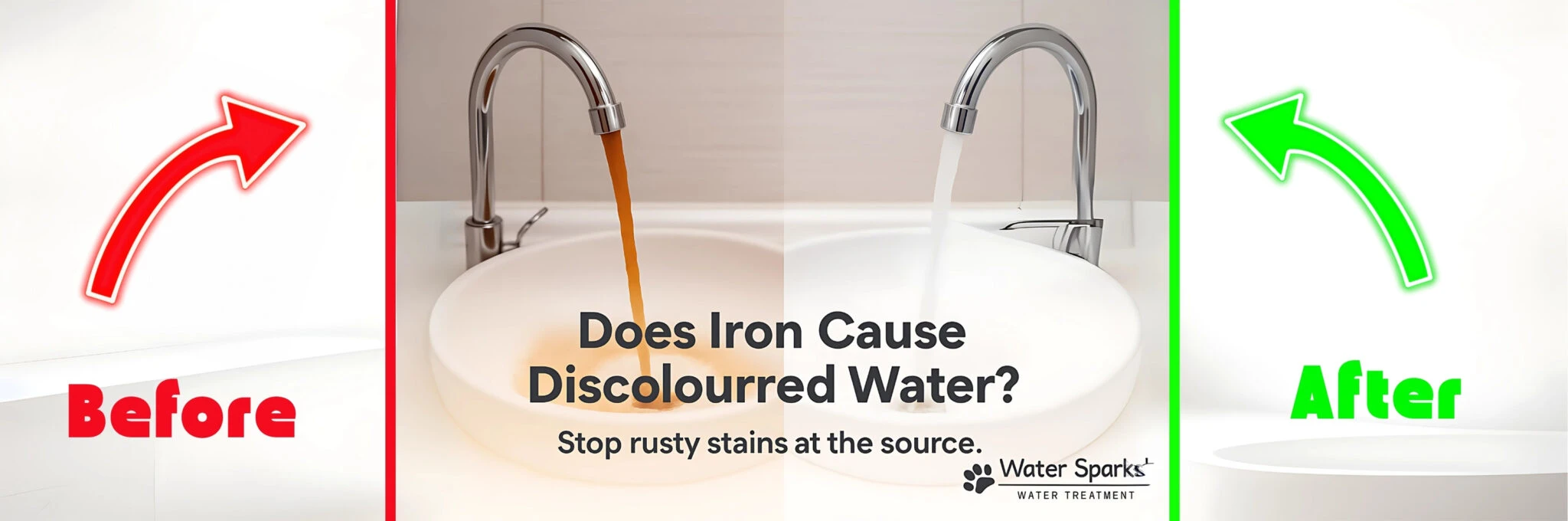
Does iron in water cause discoloration? Is Iron the Culprit?
Does Iron in water create discolored water? and does it change your tap water brown, orange, or reddish, the answer is a quick yes— it’s the most common cause of color variation in domestic and industrial water sources. Not only is it unattractive to behold, but iron can also result in rusty water discoloration, pipe deterioration, and rusty water stains on clothing and surfaces.[1]
This article will explore how iron in water causes discoloration, affects your daily lifestyle, and the solutions available. While iron water filters are often used as a remedy, they rarely succeed in fully removing iron from the water. Many users find that these filters fail to address persistent staining, metallic taste, and plumbing issues. However, iron removal plants offer a far more effective and reliable solution, successfully eliminating iron at the source and ensuring clean, clear, and healthy water for everyday use.
Understanding the Iron Water
Iron in water exists in two main forms ferrous iron( transparent and soluble) and ferric iron( oxidized and colored). Ferrous iron looks invisible in water but oxidizes on contact with air, converting it to sanguine- brown ferric iron.This metamorphosis is what generally causes abrasion, especially after water sits stagnant or when exposed to oxygen through gates or showers. In addition to being uncomely, iron water can lead to serious problems in your home’s water system. However, it can clog plumbing, damage appliances.[2]
How Iron Causes Rusty Water Stains
One of the most obvious iron water effects is rusty-looking water stains on sinks, toilets, tubs, and faucets. The reddish or orange coloration is the result of ferric iron depositing itself on surfaces and reacting with oxygen over the long term.
Even after thorough cleaning, rusty water stains return unless the root issue—iron contamination—is resolved. These stains also appear on exterior walls or driveways where sprinklers use iron-rich water, leaving long-term marks that are difficult to remove.[3]
What Is an Iron Water Removal Plant?
An iron water is a mass system to eliminate excessive iron from water sources, particularly groundwater or borewells. Such systems incorporate a mix of filtration, oxidation, and sedimentation methods to treat large amounts of water at an efficient rate. The installation of an iron water is best suited for casing complexes, artificial operations, or outside installations that experience high iron conditions. It guards appliances, plumbing, and water tanks against scaling and clears up gravel water stains and brown water stains from the root. If regularly serviced, for iron water.
Brown Water Stains and Laundry Damage
Not sure whether to choose an iron water filter or an iron removal plant? It depends on your water usage and the iron content—but in many cases, iron water filters simply don’t work as expected. Especially in commercial or high-flow systems, filters often fail to keep up, and even in homes, they may not remove all the iron effectively. This leads to persistent stains, unpleasant odors, and ongoing maintenance issues. That’s why an iron removal plant is a far better and more reliable solution, offering complete and long-term protection against iron in your water.[4]
Begin by having your water tested. Then you can use the iron content information to determine the best solution to remove discoloration and avoid long-term damage such as rusty water stains and brown water of stains.
Choosing Between Iron Water Removal Plant and Iron water Filter
Another iron side effect when present in water is the brown water stain on clothing.White clothes may develop a unheroic or gravel tincture, and colored garments frequently come dull or stained. Over time, these brown water stains come endless and ruin fabrics, linens, and indeed dishware washed with polluted water. still, it’s a strong sign you need a water treatment result like an iron water sludge or an iron water junking factory, If you are noticing brown water stains on clothes or dishes.
Benefits of Using an Iron Water Filter System
For individual homes, point-of-entry or point-of-use iron water filters are often installed to tackle iron-related issues. However, in many cases, these filters failed to treat the water effectively at the point of entry or use. Iron levels remained high, leading to continued staining, unpleasant odor, and system damage—highlighting the need for a more dependable solution like an iron removal plant.
A good iron removal filter provides these important advantages:
- Removes rusty water spots on fixtures
- Avoids brown water spots on dishes and laundry
- Enhances taste and odor of drinking water
- Safeguards plumbing pipes from iron deposition
Relying on well water or untreated municipal water often results in high iron content. We tried using an iron water filter, but it failed to effectively remove the iron. That’s why we turned to a more reliable and proven solution—the iron removal plant offered by Water Sparks. It’s the best choice for delivering clean, iron-free water and protecting your home from stains, bad odor, and plumbing damage.
How to Choose a Right Iron Water Filtration System
With all the choices out there, the decision is an Iron removal plant rests on your requirements. When you’re providing water for a large facility or have high concentrations of iron, an iron removal plant is best. For domestic homes, a well-constructed water filter can be cost-effective and effective.
Prior to investing in any of the solutions, it’s important that you have your water tested to figure out the actual level and form of iron in water. This will allow you to choose the most suitable system and know that you are working towards the solution properly.
Solution for the Removal of Iron Water
So, does iron produce discoloured water? Yes. Iron in water is among the most prevalent causes of orange, brown, or reddish tap water. If you have routine rusty water spots on fixtures or continuing brown water spots on clothes, it’s time to take action.
Iron water filters might seem like a quick fix, but they often fall short when it comes to effectively removing high levels of iron from your water. These filters can clog, lose efficiency over time, and fail to handle fluctuating iron concentrations. That’s why relying on an iron removal plant is the smarter, more reliable choice for clean and healthy water. Don’t wait for rust stains, foul odors, or plumbing issues to show up—treat iron in water the right way and protect your home from long-term damage and frustration.